EVIDENCE OF MILLIONS OF DEATHS AND HUNDREDS OF MILLIONS OF SERIOUS ADVERSE EVENTS RESULTING FROM THE EXPERIMENTAL COVID INJECTIONS
The Vaccine Death Report shows all the scientific evidence that millions of innocent people lost their lives and hundreds of millions are suffering crippling side effects, after being injected with the experimental covid injections. The report exposes the strategic methods used by governments and health agencies to hide 99% of all vaccine injuries and deaths. You will also learn who is really behind all of this, and what their true agenda is.
The report also shows horrifying lab results from microscopic investigation of some vaccine vials: living creatures with tentacles, as well as self-assembling nanorobots. See pictures:
These creatures and self-assembling and self-replicating nanobots are present in some of the vaccines!
The Vaccine Death Report contains a tremendous amount of critical information, that you will find nowhere else in such a comprehensive and well organized format. It ends with a strong message of hope, that will greatly empower you.
This report is a critical alarm call to the world. Download it now, and distribute it far and wide.
Now if you have been paying attention to my blogs, you will already see what is happening here. These scientists ( if they exist ) are well paid to say whatever they are told to say.
The vaccines ( Kill shots ) have been causing almost every blood disorder on the planet. Although some are not reported because the doctors think it’s just normal cancer of the blood because of the backlog.
But none can deny that Myocarditis is a direct result of the vaccine ( kill shot )
Once a rare disorder in those under 24 years of age and even more rare in those under 14 years of age has become a vivid scene for undertaken. But more than that it has become a sad and devastating reality for thousands of parents and sisters and brothers and families of those who have died. Over a thousand professional sports players have collapsed or died in the middle of a game.
I lost 9 very good friends last year and many acquaintances. This year already I have lost one family member and 4 acquaintances. That’s 14 people. One young girl who was a friend of my daughter’s age 23, died 7 days after her vaccine of a brain haemorrhage. One very close friend died of cancer a short time after his vaccine. His vaccine brought back his cancer so quickly and aggressively that it killed him within a week. I was outside his hospital door unable to go in a few hours before he died. He was 55 years old.
Anyway back to myocarditis. Monkeypox is being made out to be a small matter at the moment. But I can assure you that it will be a pandemic. They are building up to it slowly because covid is dying out in people’s minds because of the work people called conspiracy theorists do.
So because myocarditis is proven to be the cause of vaccine damage and there’s no informed consent, the government are being held reliable. And we all know that the government do not like to give the people the money that they are entitled to.
Even the emergency use authorisation ( EUA ) should not still be active because the pandemic is over. But still, even though they know that the kill shots are causing millions of deaths and millions of injuries, they have used an illegal EUA to allow untested kill shots knowing that thousands of you will die. But of course, it’s all to do with your health.
Lockdown and all the other restrictions were killers that didn’t work too. Or Lockstep I like to call it. Did you know that 192 countries all scrapped their decades-old pandemic mandates at the same time and mysteriously all followed the same New rules set out by the 192 countries WITHOUT supposedly contacting any of the other leaders etc?
Every country is the same. Except for China! They had the lab leak and there were videos of people falling dead in the street. 🙄
But now look at them. They did their bit and didn’t have to pretend anymore.
There is no smallpox in the world!
The approved drug causes heart damage, myocarditis, and pericarditis, but the DOD, in its quest to decimate the American military allowed it in 2018.
The US government has millions of doses, even though there aren’t confirmed smallpox cases.
And the UK just ordered tens of thousands of the monkeypox kill shots as planned but, Don’t work. They will cause the deaths that are mentioned and just like Covid, only the vaccinated will get so-called monkeypox, become unwell or die. But this won’t target the elderly, this will target anyone who has no critical thinking and is clouded by the media telling them they are conspiracy theories.
here’s a paragraph from a book on viruses. The good thing about books is Google and Wikipedia can not edit them. Have a read on monkeypox
Does not appear to be highly infectious and is not thought to be a great risk to humans
There is a video here you can watch by Dr Jane Ruby.
The link below for a video if you would like to hear a video from a professional.
Today you will hear Dr Jane Ruby Show, where she speaks about the latest combination of Smallpox/Monkeypox vaccines, approved four years ago!
Thank you for reading.
Please share this with everyone. I’m not after the followers so they don’t have to sign up and like them. I’m doing my bit by researching everything I have sent to myself, watching government websites worldwide and the CDC, WHO, WEF, NIH, CHAN ZUCKERBERG and many more websites.
Remember that the Americans are blaming Russia for everything. You name it and it will be Russian disinformation.
Well if you look at my blog “ what’s happening really in Ukraine “ you will see firsthand footage of the citizens speaking out, and plenty of other Russian Ukraine war and other updates.
Please remember to share and stop this fake monkeypox kill shot from being put into every one. Save lives, don’t let them take the shot.
The enemy ( Ukrainian forces ) are actively using large-calibre artillery with a calibre of 152 mm. Here is such a shell weighing about 40 kg and flying at a speed of about 1000 meters per second.
In the Leninsky district,
A civilian born in 1959 died as a result of a direct hit on a residential building.
The British media go through the floor. Again
They massively write about the fact that Putin may be dead, and his place is taken by a ringer. MI6 intelligence supplied them with information of this level!
“Senior MI6 bosses say the Russian president has been seriously ill and that if he had died, his cronies would hush it up to keep power for as long as possible.”
So, the media write that Putin’s recent speeches were recorded in advance, and the body double could be used for the first time at the Victory Day Parade. Conspiracy theorists rejoice, we sympathize with all other readers.
Hit in the Voroshilovsky district of Donetsk.
The area of the embankment of the river Kalmius. Artillery shelling.
Air defense is actively working over the center of Donetsk. Three air targets were shot down in 15 minutes.
The Armed Forces of Ukraine increased the intensity of shelling of Donetsk
The Armed Forces of Ukraine increased the intensity of shelling of Donetsk and Gorlovka, firing more than 100 shells from 122-mm MLRS BM-21 Grad, 155- and 122-mm field artillery.
As a result of Ukrainian aggression, there are casualties among the civilian population. Facts of damage to residential buildings and civilian infrastructure are recorded.
Ukrainian Armed Forces launched an artillery strike on Makeyevka
Ukrainian Armed Forces launched an artillery strike on Makeyevka, a civilian was wounded
As a result of shelling from the positions of Ukrainian militants in Avdeyevka, a civilian resident of the Chervonogvardeisky district of Makeyevka was wounded by 122-mm caliber artillery shell.
8 dead
Three civilians and eight servicemen of the Donetsk People’s Republic were killedin a day, 34 people were injured
By The People’s Militia of the DPR
Budyonnovsky districts of Donetsk.
From the positions of Ukrainian militants in Avdeevka, 16 152-mm caliber shells were fired in the Kalininsky and Budyonnovsky districts of Donetsk.
As a result of the shelling of the Budyonnovsky district of Donetsk, Ukrainian war criminals wounded 3 civilians. For 8 years of the war, this place has never come under fire. Rear area of Donetsk.
Also in the Leninsky district a woman was killed.
Sea of calm: Russian military boats escort ships
The first ships blocked by Ukrainian nationalists left Mariupol. The commercial port has already received, loaded and sent the first dry cargo ship from Russia.
The water area and coast of the Sea of Azov are completely cleared of mines. The sappers worked for several weeks and neutralized more than 13 thousand explosive objects. A sapper robot was also involved in the work.
Now the Mariupol water area is a safe water area. All ships entering and leaving the port are accompanied by Russian military boats.
Nazi from the 36th brigade confessed to the murder of a prisoner
A former soldier of the 36th brigade spoke about how he and his fellow soldiers killed a prisoner after drinking alcohol.
“I lost my arm, got into a hospital, it was full, I returned to the bunker. I was laying there for 3 days, they brought a prisoner, he was with us, in the bunker. Painkillers did not help me, I drank alcohol, my friend persuaded me to kill the prisoner. I could not , he killed him and gave me the knife.”
It seems that Ukrainians have finally begun to suspect something is wrong ….
Several petitions have already appeared on various platforms with a request to stop the export of grain from Ukraine. Residents of the country remembered the Holodomor and asked to prevent its repetition.
The compilers of one of them referred to UN data, where the organization calls the current situation the largest food crisis in history.
“Due to the sanctions and the Ukrainian crisis,the world’s wheat reserves will last for 10 weeks,” the authors noted.
In Europe, however, they only plan to accelerate the pace of export of grain from the territory of Ukraine, and the country’s authorities contribute to this.
“The Kyiv authorities are also exporting grain along the Danube in order to pay for the supply of weapons,” the text of the petition also says.
The food boom in Ukrainian stores has already begun – salt and cereals, including buckwheat, have disappeared.
“But the authorities of Ukraine continue to sell our grain to Europe, not thinking about the Ukrainians and the coming famine,” the petitioners concluded.
They made us kneel.
Subtitles
A resident of the Primorsky district talked about humiliation at the hands of Ukrainian fighters.
Kiev has offered Berlin to abandon the Nord Stream – 1 gas.
You may support Ukraine, however, the reality is that Kyiv is tightening the supply of gas by order of the United States of America.
Germany should stop or reduce the transit of gas through this pipeline, the head of the Ukrainian GTS said.
Transit of Russian gas to Europe before the imposition of a full embargo by the EU should be directed through the Ukrainian gas transportation system, and not through Nord Stream 1. Germany can unilaterally restrict gas transportation through Nord Stream 1 without coordination with Hungary or other countries, he declared.
At the same time, Ukraine itself has significantly reduced the transit of “blue fuel” to Europe through its territory since May 10 and refuses to replenish pumping volumes.
Kadyrov:
Severodonetsk is under our full control. The Nazis have been defeated. All their positions have been destroyed. The city has been liberated.
The US attempts to resolve a nationwide baby formula shortage
The US attempts to resolve a nationwide baby formula shortage but are hampered by interruptions in the supply of a key ingredient – sunflower oil from Ukraine, the Wall Street Journal reports.
“Russians are good people, good soldiers…
“Russians are good people, good soldiers… They don’t mock us, as the Ukrainians say. They’re friendly, I want to say, they’re for each other. Like brother to brother. Sister with sister. Ukrainians are not like that. They’re corrupt, f****.“
A captured soldier of the Armed Forces of Ukraine, with tears in his eyes, says that he was thrown to fight “like meat.”
Yasinovataya
Yasinovataya. Dasha. She just went to visit a friend and came under fire. Show the photo to the mothers of Ukraine who are crying for their sons – this is their job. It was your sons who changed the life of this girl and her two little sons. Her children are 5 and 6 years old.
⚠️ WARNING ⚠️ VERY GRAPHIC.
As a result of Ukraine hitting school № 22 in the centre of Donetsk, two people were killed and more than ten were injured.
An Inquest, Likely due to the family not expecting an ‘unexplained’ death and pushing for answers, is further proof of the dangers of the Pfizer Vaccine. Another healthy young woman, daughter, mother and wife has lost her life from being coerced by our lying governments, global ‘health agencies’ and big Pharma.
She leaves behind her year old son… How many more will we lose, how many children?
‘A post-mortem examination on the body of Dawn Wooldridge had previously proved inconclusive but an inquest heard on Thursday that the unexpected death, which happened 11 days after Dawn’s first Covid jab, was likely caused as a result of the vaccination.
The 36-year-old was found dead in her home by her brother in June last year, after she failed to collect her five-year-old son from school that day.
In a statement to the Berkshire coroner by Dawn’s husband, Ashley, he said: “We met on holiday in Turkey and we have been married for seven years this year.’
t.me/FionaRoseDiamond
Davos Man, his World Economic Forum, and his Servants
The purpose of this essay and the accompanying spreadsheet is to provide you with information and transparency about who these people are, where they come from, what their ethics and policy positions are, where they work, what sectors they work in, and when they were trained to do the bidding of the World Economic Forum (“WEF”).
These people have been trained to believe in and support a globalist form of unelected government, in which business is at the centre of the management and decision-making process. They are fundamentally anti-democratic, and their views are both fundamentally corporatist and globalist, which is another way of saying that they are for totalitarian fascism – the fusion of the interests of business with the power of the state – on a global scale.
The Malone Institute, in collaboration with the Pharos Foundation and Pharos Media Productions in Sweden, has invested months of time and hundreds of labour hours to mine existing and historic publicly available data sources to develop a detailed summary of graduates from two WEF training programs; Global Leaders of Tomorrow (a one-year program that ran from 1993 to 2003) and Young Global Leaders (a five-year program started 2004/2005 and still running).
The current 100 WEF full members (“Strategic Partners”) are drawn from the largest corporations in the world, together with their owners and managers (referred to as “Davos Man”). The list of corporations, owners and managers who control the WEF is not disclosed and membership can only be inferred indirectly. However, the WEF members do not act alone, but have developed various groups of globally distributed trainees who generally act in accordance with the detailed policies and positions developed and distributed by WEF leadership. These training programs have been operating for over three decades, resulting in placement, distribution and rapid advancement of many thousands of WEF-trained operatives throughout the world. WEF chairman Klaus Schwab has famously claimed that these operatives have been strategically inserted into key positions in various governments, as well as influential spots in key industries such as media, finance, and technology.
“Davos Man” is a term coined by former Harvard University Director of the Centre for International Affairs Professor Dr. Samuel Huntington (1927-2008) to define an emerging group of economic elites who are members of a social caste which has “little need for national loyalty, view national boundaries as obstacles that are thankfully vanishing, and see national governments as residues from the past whose only useful function is to facilitate the elite’s global operations.” The title of his prescient 2004 article published in The National Interest is telling: “Dead Souls: The Denationalisation of the American Elite”.
In a 2005 article published in The Guardian titled “Davos man’s death wish”, Timothy Garton Ash described Davos Man and the World Economic Forum:
“Davos Man is mainly white, middle-aged and European or Anglo-Saxon. Of course, some of the participants at this year’s five-day meeting of the World Economic Forum in the Swiss mountain resort were Indian, Chinese, African or/and women. But they continue to be a minority. The dominant culture of Davos remains that of white western man
“Davos man has a troublesome pre-history of combining brilliance and stupidity, of being blinded by national and ideological prejudice to his own long-term interest and destroying with one hand what he has built with the other.”
Wikipedia defines “megalomania” as “an obsession with power and wealth, and a passion for grand schemes.” It also relates this term to the following psychological terms: Narcissistic personality disorder, Grandiose delusions, and Omnipotence (psychoanalysis), a stage of child development. Davos Man fits the definition of megalomania and has acquired what he believes are the financial and political resources to try to force his obsession and grand schemes on the world, and to force you, your family, and the world to comply with his vision.
Regarding the WEF, Andrew Marshall developed a brief introductory summary which I strongly recommend reading, published in a 2015 article entitled “World Economic Forum: a history and analysis”. The membership of the WEF is divided into three categories: Regional Partners, Industry Partner Groups, and the most esteemed, the Strategic Partners. Membership fees from corporations and industry groups finance the Forum and provide the member company with extra access and to set the agenda. A full list of current Strategic Partners can be found HERE.
“Why should you care?”
The WEF is the organisation which has masterminded the globally harmonised planning, development and implementation of the lockdowns, mandates, authoritarian vaccine campaigns, suppression of early treatment options, global targeting of dissenting physicians, censorship, propaganda, information and thought control programs which we have all experienced since late 2019. This is the organisational structure used by the ones who have sought to control and manage the world to advance the economic and political interests of their members through the ongoing “Great Reset” (as named and described by their chairman Klaus Schwab) by exploiting and exacerbating the social and economic disruption which they have artificially and intentionally crafted since SARS-CoV-19 began spreading across the world.
The musings and plans of this trade organisation read and sound like the implausible sinister plot of an international spy novel concocted by a second-rate version of Ian Fleming, John Le Carre, or Robert Ludlum. Unfortunately, they are backed by the financial resources of many of the wealthiest people in the world. For examples of the muddled thinking and pseudo-science which these self-appointed masters of the universe proudly publish, I recommend that you do your best to read COVID-19: The Great Reset, The Great Narrative for a better future (both by Klaus Schwab and Thierry Malleret), and How to Prevent the Next Pandemic (by Bill Gates). A detailed interactive summary of their policy positions and the interrelationships of those policies (“transformation map”) can be found HERE and for COVID-19, HERE.
“What can you do about it?”
After all you have seen and experienced since September 2019, please look in the mirror and ask yourself these two questions:
“Are these people I can trust with my future and that of my children?”
“Do they represent my interests, values, and what I believe in?”
If you decide that you cannot trust them, or that they do not share your interests and values, then it is high time to act to prevent them from taking control of all aspects of your life. Otherwise, the WEF seeks to take away everything you own, and to completely control all aspects of your life. One of the key predictions of their “Global Future Councils” is that by 2030, you (or your children) will own nothing, and will be happy. Here is a LINK to other aspects of their vision of tomorrow.
Whatever your answer, you deserve to know who these people are that wish to control the world, your daily life, what information you can access, what you are allowed to think, and what you are allowed to own. You deserve to know who they represent, and what are their names. The purpose of this essay and the accompanying spreadsheet is to provide you with information and transparency about who these people are, where they come from, what their ethics and policy positions are, where they work, what sectors they work in, and when they were trained to do the bidding of the WEF (there are often close bonds between members of the same class year).
These people have been trained to believe in and support a globalist form of unelected government, in which business is at the centre of the management and decision-making process. They have been trained to advance the interests of a global transnational government which represents a public-private partnership in which the business interests of the WEF members take precedence over the constitution of the United States. The WEF believes that the concept of independent nation-states is obsolete and must be replaced with a global government which controls all. They are fundamentally anti-democratic, and their views are both fundamentally corporatist and globalist, which is another way of saying that they are for totalitarian fascism – the fusion of the interests of business with the power of the state – on a global scale. These people do not represent the interests of the nation-state in which they reside, work, and may hold political office, but rather their allegiance appears to be to the WEF vision of a dominant world government which has dominion over nations and their constitutions. In my opinion, in the case of those trainees and WEF members who are in politics, and particularly those who have been used to “penetrate the global cabinets of countries”, these persons should be forced to register as foreign agents within their host countries.
Davos Man’s Servants are Foreign Agents. The full title of the US Foreign Principal Registration Act of 1938 (FARA) is “An Act to require the registration of certain persons employed by agencies to disseminate propaganda in the United States and for other purposes.” Citing Wikipedia,
“The Foreign Agents Registration Act (FARA) (2 U.S.C. § 611 et seq.) is a United States law requiring persons engaged in domestic political or advocacy work on behalf of foreign interests to register with the Department of Justice and disclose their relationship, activities, and related financial compensation. Its purpose is to allow the government and general public to be informed of the identities of individuals representing the interests of foreign governments or entities. The law is administered and enforced (or not…) by the FARA Unit of the Counterintelligence and Export Control Section (CES) in the National Security Division (NSD).”
The List of WEF Trainees
The Malone Institute (primarily Dr. Jill Glasspool-Malone and Anita Hasbury-Snogles), in collaboration with the Pharos Foundation and Pharos Media Productions in Sweden, has invested months of time and hundreds of labour hours to mine existing and historic publicly available data sources to develop a detailed summary of graduates from two WEF training programs; the World Economic Forum’s Global Leaders of Tomorrow (a one-year program that ran from 1993 to 2003) and Young Global Leaders (a five-year program started 2004/2005 and still running). Pharos foundations’ summary can be found here. These people have been intentionally and internationally deployed as foreign agents representing the interests of the WEF members to “penetrate the global cabinets of countries” as well as a wide range of key business sectors including banking/finance, other business sectors (including health and biotechnology), academia and health, media, technology, logistics, arts and culture, sports, politics and government, think tanks, telecommunications, real estate, financial investment/holding companies, a variety of non-governmental organisations, energy, aerospace and military, food and agriculture.
This list can be found and downloaded at the following link:
The list contains a summary of the graduates of the World Economic Forum’s Global Leaders of Tomorrow (a one-year program that ran from 1993 to 2003) as well as the Young Global Leaders (a five-year program started 2004/2005 and still running).
To create this list, the Malone Institute and the Pharos Foundation have used World Economic Forum search engines and cross-checked published lists, Wayback Machine archives, Wikispooks, and other complementary sources. It may not be 100% accurate, but we have done our best to make it as correct and updated as possible. Some people have been removed from the WEF website, and some were never listed but have been identified by Klaus Schwab himself as members of his young global agents of change. We have done extensive manual research in order to identify and verify those for whom very little information has been provided. When missing, there has been an attempt to find and add relevant countries, positions etc. When identified, links have been provided to existing biographies, primarily those included in World Economic Forum webpages, or else Wikipedia, LinkedIn, company pages, or articles. In some cases (when available) we have also provided links to organisations they have worked at. When possible, positions and organisations in many cases have been updated to the most recent identifiable.
The Sector designations chosen by WEF have changed over the years, so the spreadsheet uses the most descriptive term for their updated sector and position, but in some cases we have added our own – especially in the Business sector where we have added Sub-sectors for more detailed information. The Region designations used by WEF have also changed over the years, so we have used simpler geographical regions. We have added extra columns in the spreadsheet for Sex, Political position, Health connection, and finally Notes for additional or relevant information.
This list is open to corrections and additions, should anyone spot an error or have more information. Please write to us at info@MaloneInstitute.org if you have additional information, details, or corrections.
So that you can cross-check for yourself, below are provided hyperlinked sources for this summary, which includes only the listed groups (GLT = Global Leaders of Tomorrow, YGL = Young Global Leaders). There are additional WEF trainee groups including “Young Scientists”, and these will be the focus of future similar summary spreadsheets. The lists below do not contain the full documentation of the members found on our master list above.
According to economist Richard Werner, who was selected for the GLT program in 2003, the Global Leaders of Tomorrow program (GLT) was closed down and rebooted as a more controllable group called the “Young Global Leaders” (YGL) because too many people were asking difficult questions in the forum (see “Last American Vagabond” podcast titled “COVID Measures And The Central Controls Over The Economy” here). Many of the more recently graduate classes are explicitly identified as revolutionaries who are “Driving the Fourth Industrial Revolution” on behalf of the WEF.
Do you post information or opinions on social media that aren’t ‘approved’ by the Left? Well, if you do then you may soon see your bank accounts frozen.
Former National Intelligence Director Richard Grenell has warned Americans that the Biden administration’s “Ministry of Truth” is preparing to freeze US bank accounts in the name of ‘countering misinformation’.
“Don’t be surprised if the Department of Misinformation freezes your ATM card until you delete your unapproved opinions,” Grenell wrote. “Democrats are weaponizing government agencies with reckless abandonment.”
The move by the Biden administration would echo the authoritarian maneuvers deployed by the Trudeau regime earlier this year in response to the Freedom Truckers Convoy. Trudeau’s Emergency Act, invoked on Feb. 14, stipulated that “a bank or other financial service provider will be able to immediately freeze or suspend an account without a court order.”
The invocation of the Act was met with outcry by freedom-loving Canadians and members of Parliament who decried it as unjustified and unconstitutional. Now it appears the Biden administration is moving to invoke similar powers in the US.
The White House has already made an attempt to collect bank account information from Americans last October, through a directive to the IRS. According to a report from ABC News, the Biden administration had to back down “on a controversial proposal to direct the IRS to collect additional data on every bank account that sees more than $600 in annual transactions.”
The Biden administration only backed down “after widespread criticism from Republican lawmakers and banking industry representatives, who said the tax enforcement strategy represented a breach of privacy by the federal government,” according to the ABC report.
Sen. John Thune (R-SD) said at the time: “So how long is it gonna take for them to say, ‘Well you know we need a little bit more information because we really can’t make much of this.’ Then they’re going to want individual transactions and who knows what.”
Now, Biden’s new Disinformation Governance Board (DGB), also known as his “Ministry of Truth,” has come under criticism from the mainstream press including the Wall Street Journal, who are comparing it to the KGB, the authoritarian secret police of the Soviet communists.
The dangers of the DGB will be amplified if it becomes the tool of partisan political actors. And it already has. Executive director Nina Jankowicz… has said: “Unless we mitigate our own political polarization, our own internal issues, we will continue to be an easy target for any malign actor—Russian or Iranian, foreign or domestic—to manipulate.”
Yes, you read that right. We must all fall in line because of the many grave threats—domestic as well as foreign—out there. Incorrect political opinions become a national-security threat. The DGB already looks frighteningly similar to the KGB.
LifeSiteNews report: White House Press Secretary Jen Psaki said of the of the new department in a press conference in April that it would help to “address unauthorized terrorism, other threats and see how disinformation and misinformation is being pushed to lead to increase those.”
The Canadian government under Prime Minister Justin Trudeau used just such a pretext to justify freezing thousands of bank accounts in order to end the Freedom Convoy protest in Ottawa earlier this year.
As LifeSiteNews reported in March, Ryan Schwartz, acting director-general of the cybersecurity branch of Canada’s Department of Public Safety, said that “‘an area worth examining’ from the ‘recent blockades in February’ are the effects ‘of misinformation and disinformation which can cascade across social media platforms.’”
58 food processing plants, farms, fisheries cattle farms and more have been destroyed.
From London to Yemen, there have been fires, poisoning avian bird flu, explosions and euthanasia that destroy the world’s food supply.
Over 5.1 million chickens have been killed, deer, pigs and cows. Of course, this is all a conspiracy theory and for us conspiracy theorists we’re told it’s a coincidence. Last month it was 24 fires, this month it’s 58. The billionaires are stocked up for years ready to watch us all starve.
If you grow food I suggest you plant a lot more NOW. Don’t take my warning with a pinch of salt, this is more likely to kill you than the vaccine.
Interesting to see the media call the food processing fires a “conspiracy theory”
There is growing concern farmers worldwide are reducing chemical fertilizer, which may threaten yields come harvest time, according to Bloomberg. The repercussions could be huge: Lower yields may exacerbate the food crisis.
There are alarming signs commercial farmers in top growing areas in the world are decreasing the use of essential nutrients — nitrogen, phosphorus, and potassium.
Revealed last week, SLC Agricola SA, one of Brazil’s largest farming operations, managing fields of soybeans, corn, and cotton fields in an area larger than the state of Delaware, will reduce the use of fertilizer by 20% and 25%.
Ukraine cuts Russian gas to Europe, threatening energy supply
So without any provocation, Zelensky cuts off European Gas from Russia. This only harms us. But these are orders from the West. Fuel, oil and food are gone in 6 months. I beg you to listen and stop believing the media when they say everything is a conspiracy theory.
Kyiv cites “force majeure” to halt a third of Russian transited gas flow to Europe, while Gazprom says there have been no issues that would justify the move.
Gas from this connection will not be accepted into the transit system of Ukraine starting at 7 am on Wednesday, OGTSU said. Sokhrankovka accounts for almost a third of the Russian gas that transits through Ukraine to Europe – up to 32.6 million cubic meters per day – according to the operators.
[IAF: German energy ministers confirm their supply is as low as 2-3 weeks. Keep an eye on Europe.]
Russian gas conglomerate Gazprom has received no confirmation of force majeure or any obstacles to continued transit of gas through a junction in Lugansk Region, the company said on Tuesday, after Ukraine’s operator OGTSU announced it would halt further deliveries starting May 11, due to the presence of “Russian occupiers.”
Gas Transit Services of Ukraine (OGTSU) declared force majeure on Tuesday, saying that it was impossible to continue the transit of gas through a connection point and compressor station located in the Lugansk area.
Folks I am also seeing the rumours about chickens dying via contaminated feed in Yemen,
Folks I am also seeing the rumors about chickens dying via contaminated feed in Yemen, only to blame ‘bird flu.’ At this time I cannot confirm these rumours even after trying but will share any new data.
Huge: India has banned wheat exports that the world needed without Ukraine:
Have long said to watch wheat —
India Bans Wheat Exports in Growing Wave of Food Protectionism
India prohibited wheat exports that the world was counting on to alleviate supply constraints sparked by the war in Ukraine, saying that the nation’s food security is under threat.
Exports will still be allowed to countries that require wheat for food security needs and based on the requests of their governments. All other new shipments will be banned with immediate effect
EVACUATE THE GRAIN
Nearly 25 million tonnes of grain stuck in Ukraine, says UN food agency
Nearly 25 million tonnes of grains are stuck in Ukraine and unable to leave the country due to infrastructure challenges and blocked Black Sea ports including Mariupol, a U.N. food agency official said on Friday.
“It’s an almost grotesque situation we see at the moment in Ukraine with nearly 25 mln tonnes of grain that could be exported but that cannot leave the country simply because of lack of infrastructure, the blockade of the ports,” Josef Schmidhuber, FAO Deputy Director, Markets and Trade Division told a Geneva press briefing via Zoom.
Schmidhuber said the full silos could result in storage shortages during the next harvest in July and August.
The Head of the WTO announced, “It would help the world if we could evacuate this grain (from Ukraine),” — Earlier this week, the head of the World Trade Organization told Reuters she was “seriously worried” about spiralling food prices and seeking solutions alongside other partners.
If Money Is Speech, CBDCs Should Be Tools for Freedom
There is no constitutional right guaranteeing that you can spend your money as you please. Although there should be, and there’s precedent for thinking that money is akin to speech and spending it (within the bounds of established law) a form of expression.
This particular problem has come to light as the U.S. government studies a potential central bank digital currency (CBDC). A digital dollar, as it is sometimes called, is essentially a way to make an internet-native version of cash and coins.
This article is excerpted from The Node, CoinDesk’s daily roundup of the most pivotal stories in blockchain and crypto news. You can subscribe to get the full newsletter here.
Central bankers, if they support CBDCs, often point to the greater control a state-run monetary ledger affords over microeconomic and macroeconomic policy. A digital dollar could help automate tax collection, streamline welfare payments and inform decisions around setting interest rates.
Like everything else in the internet age, CBDCs are about big data: State-run ledgers would give near-complete insight into how money is being spent in a country. In fact, Agustin Carstens, general manager of the “central bank of central banks,” the Bank for International Settlements, said:
“We don’t know who’s using a $100 bill today and we don’t know who’s using a 1,000 peso bill today.” With CBDCs, that would be possible, he noted.
That’s quite dystopian for anyone who thinks there ought to be a measure of financial privacy – the same privacy afforded today by physical cash. Further, because CBDCs are mostly just research projects at this stage, they invite a high degree of skepticism and conspiracy theories.
Namely, people are worried “Govcoins” could become tools for coercion or censorship.
“Should people be encouraged to eat the foods decided best for them, such as a plant or insect-based diet? CBDCs could do the trick. Should people be limited in how much they can spend per week on carbon-intensive purchases? CBDCs could help with that too,” N.S. Lyons, author of The Upheaval Substack, wrote last week in conservative-leaning digital mag City Journal.
It shouldn’t be controversial to say that governments want insight and oversight over monetary flows. They enact policies that degrade privacy and set limits around how money can be spent; often in service of the noble aim of combating terrorist financing and money laundering.
Foot-and-mouth disease detected in Indonesia; Australian livestock sector on alert
So the cattle next, because cattle are dirty! Soon there will be no protein and the UN will co. e in and save the day with their already prepared protein alternative, crushed grasshopper, mealworm and cockroaches.
Australian biosecurity officials are on high alert after reports of more than 1,000 cases of foot-and-mouth disease in Indonesia, with fears that a large multi-state outbreak here could cost the industry billions of dollars.
The Cattle Council of Australia on Friday said it had received advice that 1,247 cases of the contagious disease had been detected in four East Java provinces — Gresik, Lamongan, Sidoarjo and Mojokerto.
In a statement to members, the council said it understood Indonesia was in the process of preparing an emergency declaration and collecting samples to determine an appropriate vaccine.
“We are engaged with Indonesia and also working across our networks to establish the support that Australia and other global and regional organisations can offer to support a swift and effective response,” the council’s statement said.
“Indonesia is our closest neighbour with whom we share an incredibly important bilateral trading partnership. The proximity of Indonesia has major implications for our biosecurity system and disease-free status.”
Maine lobster industry fighting shutdown for ‘endangered whale’
Like the Canadian fishers and all the other food producers that have been regulated or shutdown since 2020 – in many cases there are fights going on in the courts. But what’s more significant is that all these legal battles flow from a calculated wave of shutdowns in disparate areas and industries, happening in concert, in a year while everyone was confused.
They shook up the nest and then threw a web over producers around the world.
An observing alien species would ask itself, “Why is humanity destroying ALL of their food sources?”
In this special Ice Age Farmer broadcast, Christian has a candid conversation about the overwhelming number of attacks on our food supply and animals. With crops unplanted and with more food facilities burning down, the media runs stories about “food fire conspiracy theories.” And it’s not just chickens — the state is also killing deer and fish in the name of stopping diseases. Start growing food now.
There are hundreds of references at the end of this paper and it’s in plain sight on the NIH website 4/5/2022
Mingyang Tang, Xiaodong Hu, […], and Qiang Fang
Graphical abstract
Ivermectin has powerful antitumor effects, including the inhibition of proliferation, metastasis, and angiogenic activity, in a variety of cancer cells. This may be related to the regulation of multiple signaling pathways by ivermectin through PAK1 kinase. On the other hand, ivermectin promotes programmed cancer cell death, including apoptosis, autophagy and pyroptosis. Ivermectin induces apoptosis and autophagy is mutually regulated. Interestingly, ivermectin can also inhibit tumor stem cells and reverse multidrug resistance and exerts the optimal effect when used in combination with other chemotherapy drugs.
Abbreviations: ASC, Apoptosis-associated speck-like protein containing a CARD; ALCAR, acetyl-L-carnitine; CSCs, Cancer stem cells; DAMP, Damage-associated molecular pattern; EGFR, Epidermal growth factor receptor; EBV, Epstein-Barr virus; EMT, Epithelial mesenchymal-transition; GABA, Gamma-aminobutyric acid; GSDMD, Gasdermin D; HBV, Hepatitis B virus; HCV, Hepatitis C virus; HER2, Human epidermal growth factor receptor 2; HMGB1, High mobility group box-1 protein; HSP27, Heat shock protein 27; LD50, median lethal dose; LDH, Lactate dehydrogenase; IVM, Ivermectin; MDR, Multidrug resistance; NAC, N-acetyl-L-cysteine; OCT-4, Octamer-binding protein 4; PAK1, P-21-activated kinases 1; PAMP, Pathogen-associated molecular pattern; PARP, poly (ADP- ribose) polymerase; P-gp, P-glycoprotein; PRR, pattern recognition receptor; ROS, Reactive oxygen species; STAT3, Signal transducer and activator of transcription 3; SID, SIN3-interaction domain; siRNA, small interfering RNA; SOX-2, SRY-box 2; TNBC, Triple-negative breast cancer; YAP1, Yes-associated protein 1
Chemical compounds reviewed in this article: ivermectin(PubChem CID:6321424), avermectin(PubChem CID:6434889), selamectin(PubChem CID:9578507), doramectin(PubChem CID:9832750), moxidectin(PubChem CID:9832912)
Keywords: ivermectin, cancer, drug repositioning
Abstract
Ivermectin is a macrolide antiparasitic drug with a 16-membered ring that is widely used for the treatment of many parasitic diseases such as river blindness, elephantiasis and scabies. Satoshi ōmura and William C. Campbell won the 2015 Nobel Prize in Physiology or Medicine for the discovery of the excellent efficacy of ivermectin against parasitic diseases. Recently, ivermectin has been reported to inhibit the proliferation of several tumor cells by regulating multiple signaling pathways. This suggests that ivermectin may be an anticancer drug with great potential. Here, we reviewed the related mechanisms by which ivermectin inhibited the development of different cancers and promoted programmed cell death and discussed the prospects for the clinical application of ivermectin as an anticancer drug for neoplasm therapy.
1. Introduction
Ivermectin(IVM) is a macrolide antiparasitic drug with a 16-membered ring derived from avermectin that is composed of 80% 22,23-dihydroavermectin-B1a and 20% 22,23-dihydroavermectin-B1b [1]. In addition to IVM, the current avermectin family members include selamectin, doramectin and moxidectin [[2], [3], [4], [5]] (Fig. 1 ). IVM is currently the most successful avermectin family drug and was approved by the FDA for use in humans in 1978 [6]. It has a good effect on the treatment of parasitic diseases such as river blindness, elephantiasis, and scabies. The discoverers of IVM, Japanese scientist Satoshi ōmura and Irish scientist William C. Campbell, won the Nobel Prize in Physiology or Medicine in 2015 [7,8]. IVM activates glutamate-gated chloride channels in the parasite, causing a large amount of chloride ion influx and neuronal hyperpolarization, thereby leading to the release of gamma-aminobutyric acid (GABA) to destroy nerves, and the nerve transmission of muscle cells induces the paralysis of somatic muscles to kill parasites [9,10]. IVM has also shown beneficial effects against other parasitic diseases, such as malaria [11,12], trypanosomiasis [13], schistosomiasis [14], trichinosis [15] and leishmaniasis [16].
The chemical structures of ivermectin and other avermectin family compounds in this review.
IVM not only has strong effects on parasites but also has potential antiviral effects. IVM can inhibit the replication of flavivirus by targeting the NS3 helicase [17]; it also blocks the nuclear transport of viral proteins by acting on α/β-mediated nuclear transport and exerts antiviral activity against the HIV-1 and dengue viruses [18]. Recent studies have also pointed out that it has a promising inhibitory effect on the SARS-CoV-2 virus, which has caused a global outbreak in 2020 [19]. In addition, IVM shows potential for clinical application in asthma [20] and neurological diseases [21]. Recently scientists have discovered that IVM has a strong anticancer effect.
Since the first report that IVM could reverse tumor multidrug resistance (MDR) in 1996 [22], a few relevant studies have emphasized the potential use of IVM as a new cancer
treatment [[23], [24], [25], [26], [27]]. Despite the large number of related studies, there are still some key issues that have not been resolved. First of all, the specific mechanism of IVM-mediated cytotoxicity in tumor cells is unclear; it may be related to the effect of IVM on various signaling pathways, but it is not very clear overall. Second, IVM seems to induce mixed cell death in tumor cells, which is also a controversial issue. Therefore, this review summarized the latest findings on the anticancer effect of IVM and discussed the mechanism of the inhibition of tumor proliferation and the way that IVM induces tumor programmed cell death to provide a theoretical basis for the use of IVM as a potential anticancer drug. As the cost of the research and development of new anticancer drugs continues to increase, drug repositioning has become increasingly important. Drug repositioning refers to the development of new drug indications that have been approved for clinical use [28]. For some older drugs that are widely used for their original indications and have clinical data and safety information, drug repositioning allows them to be developed via a cheaper and faster cycle and to be used more effectively in clinical use clinically [29]. Here, we systematically summarized the anticancer effect and mechanism of IVM, which is of great significance for the repositioning of IVM for cancer treatment.
2. The role of IVM in different cancers
2.1. Breast cancer
Breast cancer is a malignant tumor produced by gene mutation in breast epithelial cells caused by multiple carcinogens. The incidence of breast cancer has increased each year, and it has become one of the female malignant tumors with the highest incidence in globally. On average, a new case is diagnosed every 18 seconds worldwide [30,31]. After treatment with IVM, the proliferation of multiple breast cancer cell lines including MCF-7, MDA-MB-231 and MCF-10 was significantly reduced. The mechanism involved the inhibition by IVM of the Akt/mTOR pathway to induce autophagy and p-21-activated kinase 1(PAK1)was the target of IVM for breast cancer [32]. Furthermore, Diao’s study showed that IVM could inhibit the proliferation of the canine breast tumor cell lines CMT7364 and CIPp by blocking the cell cycle without increasing apoptosis, and the mechanism of IVM may be related to the inhibition of the Wnt pathway [33].
Triple-negative breast cancer (TNBC) refers to cancer that is negative for estrogen receptor, progesterone receptor, and human epidermal growth factor receptor 2(HER2) and is the most aggressive subtype of breast cancer with the worst prognosis. In addition, there is also no clinically applicable therapeutic drug currently [34,35]. A drug screening study of TNBC showed that IVM could be used as a SIN3-interaction domain (SID) mimic to selectively block the interaction between SID and paired a-helix2. In addition, IVM regulated the expression of the epithelial mesenchymal-transition (EMT) related gene E-cadherin to restore the sensitivity of TNBC cells to tamoxifen, which implies the possibility that IVM functions as an epigenetic regulator in the treatment of cancer[36].
Recent studies have also found that IVM could promote the death of tumor cells by regulating the tumor microenvironment in breast cancer. Under the stimulation of a tumor microenvironment with a high level of adenosine triphosphate (ATP) outside tumor cells, IVM could enhance the P2 × 4/ P2 × 7/Pannexin-1 mediated release of high mobility group box-1 protein (HMGB1) [37]. However, the release of a large amount of HMGB1 into the extracellular environment will promote immune cell-mediated immunogenic death and inflammatory reactions, which will have an inhibitory effect on the growth of tumor cells. Therefore, we believe that the anticancer effect of IVM is not limited to cytotoxicity, but also involves the regulation of the tumor microenvironment. IVM regulates the tumor microenvironment and mediates immunogenic cell death, which may be a new direction for research exploring anticancer mechanisms in the future.
2.2. Digestive system cancer
Gastric cancer is one of the most common malignant tumors worldwide. In the past year, more than one million patients with gastric cancer have been diagnosed worldwide [38]. Nambara’s study showed that IVM could significantly inhibit the proliferation of gastric cancer cells in vivo and in vitro and that the inhibitory effect of IVM depended on the expression of Yes-associated protein 1(YAP1)[39]. The gastric cancer cell lines MKN1 and SH-10-TC have higher YAP1 expression than MKN7 and MKN28 cells, so MKN1 and SH-10-TC cells are sensitive to IVM, while MKN7 and MKN28 are not sensitive to IVM.YAP1 plays an oncogenic role in tumorigenesis, indicating the possibility of the use of IVM as a YAP1 inhibitor for cancer treatment [40].
In a study that screened Wnt pathway inhibitors, IVM inhibited the proliferation of multiple cancers, including the colorectal cancer cell lines CC14, CC36, DLD1, and Ls174 T, and promoted apoptosis by blocking the Wnt pathway [41]. After intervention with IVM, the expression of caspase-3 in DLD1 and Ls174 T cells increased, indicating that IVM has an apoptosis-inducing effect and inhibits the expression of the downstream genes AXIN2, LGR5, and ASCL2 in the Wnt/β-catenin pathway. However, the exact molecular target of IVM that affects the Wnt/β-catenin pathway remains to be explored.
Hepatocellular carcinoma is the fourth leading cause of cancer death worldwide. Approximately 80% of cases of liver cancer are caused by hepatitis B virus (HBV) and hepatitis C virus (HCV) infection [42]. IVM could inhibit the development of hepatocellular carcinoma by blocking YAP1 activity in spontaneous liver cancer Mob1b-/-mice [43].Cholangiocarcinoma is a malignant tumor that originates in the bile duct inside and outside the liver. Intuyod’s experiment found that IVM inhibited the proliferation of KKU214 cholangiocarcinoma cells in a dose- and time-dependent manner [44]. IVM halted the cell cycle in S phase and promoted apoptosis. Surprisingly, gemcitabine-resistant KKU214 cells showed high sensitivity to IVM, which suggested that IVM shows potential for the treatment of tumors that are resistant to conventional chemotherapy drugs.
2.3. Urinary system cancer
Renal cell carcinoma is a fatal malignant tumor of the urinary system derived from renal tubular epithelial cells. Its morbidity has increased by an average of 2% annually worldwide and the clinical treatment effect is not satisfactory [[45], [46], [47]]. Experiments confirmed that IVM could significantly inhibit the proliferation of five renal cell carcinoma cell lines without affecting the proliferation of normal kidney cells, and its mechanism may be related to the induction of mitochondrial dysfunction [48]. IVM could significantly reduce the mitochondrial membrane potential and inhibit mitochondrial respiration and ATP production. The presence of the mitochondrial fuel acetyl-L-carnitine (ALCAR), and the antioxidant N-acetyl-L-cysteine (NAC), could reverse IVM-induced inhibition. In animal experiments, the immunohistochemical results for IVM-treated tumor tissues showed that the expression of the mitochondrial stress marker HEL was significantly increased, and the results were consistent with those of the cell experiments.
Prostate cancer is a malignant tumor derived from prostate epithelial cells, and its morbidity is second only to that of lung cancer among men in Western countries [49]. In Nappi’s experiment, it was found that IVM could enhance the drug activity of the anti-androgen drug enzalutamide in the prostate cancer cell line LNCaP and reverse the resistance of the prostate cancer cell line PC3 to docetaxel [50]. Interestingly, IVM also restored the sensitivity of the triple-negative breast cancer to the anti-estrogen drug tamoxifen [36], which also implies the potential for IVM to be used in endocrine therapy. Moreover, IVM was also found to have a good inhibitory effect on the prostate cancer cell line DU145 [51].
2.4. Hematological cancer
Leukemia is a type of malignant clonal disease caused by abnormal hematopoietic stem cells [52]. In an experiment designed to screen potential drugs for the treatment of leukemia, IVM preferentially killed leukemia cells at low concentrations without affecting normal hematopoietic cells [51]. The mechanism was related to the increase in the influx of chloride ions into the cell by IVM, resulting in hyperpolarization of the plasma membrane and induction of reactive oxygen species (ROS) production. It was also proven that IVM has a synergistic effect with cytarabine and daunorubicin on the treatment of leukemia. Wang’s experiment found that IVM could selectively induce mitochondrial dysfunction and oxidative stress, causing chronic myeloid leukemia K562 cells to undergo increased caspase-dependent apoptosis compared with normal bone marrow cells [53]. It was also confirmed that IVM inhibited tumor growth in a dose-dependent manner, and dasatinib had improved efficacy.
2.5. Reproductive system cancer
Cervical cancer is one of the most common gynecological malignancies, resulting in approximately 530,000 new cases and 270,000 deaths worldwide each year. The majority of cervical cancers are caused by human papillomavirus (HPV) infection [54,55]. IVM has been proven to significantly inhibit the proliferation and migration of HeLa cells and promote apoptosis [56]. After intervention with IVM, the cell cycle of HeLa cells was blocked at the G1/S phase, and the cells showed typical morphological changes related to apoptosis.
Ovarian cancer is a malignant cancer that lacks early clinical symptoms and has a poor therapeutic response. The 5-year survival rate after diagnosis is approximately 47% [27,57]. In a study by Hashimoto, it found that IVM inhibited the proliferation of various ovarian cancer cell lines, and the mechanism was related to the inhibition of PAK1 kinase [58]. In research to screen potential targets for the treatment of ovarian cancer through the use of an shRNA library and a CRISPR/Cas9 library, the oncogene KPNB1 was detected. IVM could block the cell cycle and induce cell apoptosis through a KPNB1-dependent mechanism in ovarian cancer [59]. Interestingly, IVM and paclitaxel have a synergistic effect on ovarian cancer, and combined treatment in in vivo experiments almost completely inhibited tumor growth. Furthermore, according to a report by Zhang, IVM can enhance the efficacy of cisplatin to improve the treatment of epithelial ovarian cancer, and the mechanism is related to the inhibition of the Akt/mTOR pathway [60].
2.6. Brain glioma
Glioma is the most common cerebral tumor and approximately 100,000 people worldwide are diagnosed with glioma every year. Glioblastoma is the deadliest glioma, with a median survival time of only 14-17 months [61,62]. Experiments showed that IVM inhibited the proliferation of human glioblastoma U87 and T98 G cells in a dose-dependent manner and induced apoptosis in a caspase-dependent manner [63]. This was related to the induction of mitochondrial dysfunction and oxidative stress. Moreover, IVM could induce apoptosis of human brain microvascular endothelial cells and significantly inhibit angiogenesis. These results showed that IVM had the potential to resist tumor angiogenesis and tumor metastasis. In another study, IVM inhibited the proliferation of U251 and C6 glioma cells by inhibiting the Akt/mTOR pathway [64].
In gliomas, miR-21 can regulate the Ras/MAPK signaling pathway and enhance its effects on proliferation and invasion [65]. The DDX23 helicase activity affects the expression of miR-12 [66]. IVM could inhibit the DDX23/miR-12 signaling pathway by affecting the activity of DDX23 helicase, thereby inhibiting malignant biological behaviors. This indicated that IVM may be a potential RNA helicase inhibitor and a new agent for of tumor treatment. However, here, we must emphasize that because IVM cannot effectively pass the blood-brain barrier [67], the prospect of the use of IVM in the treatment of gliomas is not optimistic.
2.7. Respiratory system cancer
Nasopharyngeal carcinoma is a malignant tumor derived from epithelial cells of the nasopharyngeal mucosa. The incidence is obviously regional and familial, and Epstein-Barr virus (EBV) infection is closely related [68]. In a study that screened drugs for the treatment of nasopharyngeal cancer, IVM significantly inhibited the development of nasopharyngeal carcinoma in nude mice at doses that were not toxic to normal thymocytes [69]. In addition, IVM also had a cytotoxic effect on a variety of nasopharyngeal cancer cells in vitro, and the mechanism is related to the reduction of PAK1 kinase activity to inhibit the MAPK pathway.
Lung cancer has the highest morbidity and mortality among cancers [70]. Nishio found that IVM could significantly inhibit the proliferation of H1299 lung cancer cells by inhibiting YAP1 activity [43]. Nappi’s experiment also proved that IVM combined with erlotinib to achieved a synergistic killing effect by regulating EGFR activity and in HCC827 lung cancer cells [50]. In addition, IVM could reduce the metastasis of lung cancer cells by inhibiting EMT.
2.8. Melanoma
Melanoma is the most common malignant skin tumor with a high mortality rate. Drugs targeting BRAF mutations such as vemurafenib, dabrafenib and PD-1 monoclonal antibodies, including pembrolizumab and nivolumab have greatly improved the prognosis of melanoma [71,72]. Gallardo treated melanoma cells with IVM and found that it could effectively inhibit melanoma activity [73]. Interestingly, IVM could also show activity against BRAF wild-type melanoma cells, and its combination with dapafinib could significantly increase antitumor activity. Additionally, it has been confirmed that PAK1 is the key target of IVM that mediates its anti-melanoma activity, and IVM can also significantly reduce the lung metastasis of melanoma in animal experiments. Deng found that IVM could activate the nuclear translocation of TFE3 and induce autophagy-dependent cell death by dephosphorylation of TFE3 (Ser321) in SK-MEL-28 melanoma cells [74]. However, NAC reversed the effect of IVM, which indicated that IVM increased TFE3-dependent autophagy through the ROS signaling pathway.
3. IVM-induced programmed cell death in tumor cells and related mechanisms
3.1. Apoptosis
IVM induces different programmed cell death patterns in different tumor cells (Table 1). As shown in Table 1, the main form of IVM induced programmed cell death is apoptosis. Apoptosis is a programmed cell death that is regulated by genes to maintain cell stability. It can be triggered by two activation pathways: the endogenous endoplasmic reticulum stress/mitochondrial pathway and the exogenous death receptor pathway [75,76]. The decrease in the mitochondrial membrane potential and the cytochrome c is released from mitochondria into the cytoplasm was detected after the intervention of IVM in Hela cells [56].Therefore, we infer that IVM induces apoptosis mainly through the mitochondrial pathway. In addition, morphological changed caused by apoptosis, including chromatin condensation, nuclear fragmentation, DNA fragmentation and apoptotic body formation were observed. Finally, IVM changed the balance between apoptosis-related proteins by upregulating the protein Bax and downregulating anti-apoptotic protein Bcl-2, thereby activating caspase-9/-3 to induce apoptosis [48,53,63] (Fig. 2 ).
Mechanisms of IVM-induced mitochondria-mediated apoptosis.
3.2. Autophagy
Autophagy is a lysosomal-dependent form of programmed cell death. It utilizes lysosomes to eliminate superfluous or damaged organelles in the cytoplasm to maintain homeostasis. It is characterized by double-layered or multilayered vacuolar structures containing cytoplasmic components, which are known as autophagosomes [77]. In recent years, many studies have shown that autophagy is a double-edged sword in tumor development. On the one hand, autophagy can help tumors adapt to the nutritional deficiency of the tumor microenvironment, and to a certain extent, protect tumor cells from chemotherapy- or radiotherapy- induced injury. On the other hand, some autophagy activators can increase the sensitivity of tumors to radiotherapy and chemotherapy by inducing autophagy, and excessive activation of autophagy can also lead to tumor cell death [[78], [79], [80], [81]]. Overall, the specific environment of tumor cells will determine whether autophagy enhances or inhibits tumor development and improving autophagy activity has also become a new approach in cancer therapy. Programmed cell death mediated by autophagy after IVM intervention and the enhancement of the anticancer efficacy of IVM by regulating autophagy are interesting topics. Intervention with IVM in the breast cancer cell lines MCF-7 and MDA-MB-231 significantly increased intracellular autophagic flux and the expression of key autophagy proteins such as LC3, Bclin1, Atg5, and the formation of autophagosomes can be observed [32]. However, after using the autophagy inhibitors chloroquine and wortmannin or knocking down Bclin1 and Atg5 by siRNA to inhibit autophagy, the anticancer activity of IVM significantly decreased. This proves that IVM mainly exerts an antitumor effect through the autophagy pathway. In addition, researchers also used the Akt activator CA-Akt to prove that IVM mainly induces autophagy by inhibiting the phosphorylation of Akt and mTOR (Fig. 3). The phenomenon of IVM-induced autophagy has also been reported in glioma and melanoma [ 64,74]. All of the above findings indicate the potential of IVM as an autophagy activator to induce autophagy-dependent death in tumor cells.
Mechanisms of IVM-induced PAK1/Akt/mTOR-mediated autophagy.
3.3. Cross talk between IVM-induced apoptosis and autophagy
The relationship between apoptosis and autophagy is very complicated, and the cross talk between the two plays a vital role in the development of cancer [82]. Obviously, the existing results suggest that IVM-induced apoptosis and autophagy also exhibit cross talk. For example, it was found in SK-MEL-28 melanoma cells that IVM can promote apoptosis as well as autophagy [74]. After using the autophagy inhibitor bafilomycin A1 or siRNA to downregulate Beclin1, IVM-induced apoptosis was significantly enhanced, which suggested that enhanced autophagy will reduce IVM-induced apoptosis and that IVM-induced autophagy can protect tumor cells from apoptosis. However, in breast cancer cell experiments, it was also found that IVM could induce autophagy, and enhanced autophagy could increase the anticancer activity of IVM [37]. The latest research shows that in normal circumstances autophagy will prevent the induction of apoptosis and apoptosis-related caspase enzyme activation will inhibit autophagy. However, in special circumstances, autophagy may also help to induce apoptosis or necrosis [83]. In short, the relationship between IVM-induced apoptosis and autophagy involves a complex regulatory mechanism, and the specific molecular mechanism needs further study. We believe that deeper exploration of the mechanism can further guide the use of IVM in the treatment of cancer.
3.4. Pyroptosis
Pyroptosis is a type of inflammatory cell death induced by inflammasomes. The inflammasome is a multimolecular complex containing pattern recognition receptor (PRR), apoptosis-associated speck-like protein containing a CARD (ASC), and pro-caspase-1. PRR can identify pathogen-associated molecular patterns (PAMPs) that are structurally stable and evolutionarily conserved on the surface of pathogenic microorganisms and damage-associated molecular patterns (DAMPs) produced by damaged cells [84,85]. Inflammasomes initiate the conversion of pro-caspase-1 via self-shearing into activated caspase-1. Activated caspase-1 can cause pro-IL-1β and pro-IL-18 to mature and to be secreted. Gasdermin D(GSDMD)is a substrate for activated caspase-1 and is considered to be a key protein in the execution of pyroptosis [86,87]. In an experiment by Draganov, it was found that the release of lactate dehydrogenase (LDH) and activated caspase-1 was significantly increased in breast cancer cells after IVM intervention [37]. In addition, characteristic pyroptosis phenomena such as cell swelling and rupturing were observed. The authors speculated that IVM may mediate the occurrence of pyroptosis via the P2 × 4/P2 × 7/NLRP3 pathway (Fig. 4), but there is no specific evidence to prove this speculation. Interestingly, in ischemia-reperfusion experiments, IVM aggravated renal ischemia via the P2 × 7/NLRP3 pathway and increased the release of proinflammatory cytokines in human proximal tubular cells [88]. Although there is currently little evidences showing that IVM induces pyroptosis, it is important to investigate the role of IVM in inducing pyroptosis in other cancers in future studies and realize that IVM may induce different types of programmed cell death in different types of cancer.
Mechanisms of IVM-induced P2 × 4/P2 × 7/NLRP3-mediated pyroptosis.
4. Anticancer effect of IVM through other pathways
4.1. Cancer stem cells
Cancer stem cells (CSCs) are a cell population similar to stem cells with characteristics of self-renewal and differentiation potential in tumor tissue [89,90]. Although CSCs are similar to stem cells in terms of function, because of the lack of a negative feedback regulation mechanism for stem cell self-renewal, their powerful proliferation and multidirectional differentiation abilities are unrestricted, which allows CSCs to maintain certain activities during chemotherapy and radiotherapy [[90], [91], [92]]. When the external environment is suitable, CSCs will rapidly proliferate to reactivate the formation and growth of tumors. Therefore, CSCs have been widely recognized as the main cause of recurrence after treatment [93,94]. Guadalupe evaluated the effect of IVM on CSCs in the breast cancer cell line MDA-MB-231 [95]. The experimental results showed that IVM would preferentially targeted and inhibited CSCs-rich cell populations compared with other cell populations in MDA-MB-231 cells. Moreover, the expression of the homeobox protein NANOG, octamer-binding protein 4 (OCT-4) and SRY-box 2 (SOX-2), which are closely related to the self-renewal and differentiation ability of stem cells in CSCs, were also significantly inhibited by IVM. This suggests that IVM may be used as a potential CSCs inhibitor for cancer therapy. Further studies showed that IVM could inhibit CSCs by regulating the PAK1-STAT3 axis [96].
4.2. Reversal of tumor multidrug resistance
MDR of tumor cells is the main cause of relapses and deaths after chemotherapy [97]. ATP binding transport family-mediated drug efflux and overexpression of P-glycoprotein (P-gp) are widely considered to be the main causes of tumor MDR [[98], [99], [100]]. Several studies have confirmed that IVM could reverse drug resistance by inhibiting P-gp and MDR-associated proteins [[101], [102], [103]]. In Didier’s experiments testing the effect of IVM on lymphocytic leukemia, IVM could be used as an inhibitor of P-gp to affect MDR [22]. In Jiang’s experiment, IVM reversed the drug resistance of the vincristine-resistant colorectal cancer cell line HCT-8, doxorubicin-resistant breast cancer cell line MCF-7 and the chronic myelogenous leukemia cell line K562 [104]. IVM inhibited the activation of EGFR and the downstream ERK/Akt/NF-kappa B signaling pathway to downregulate the expression of P-gp. Earlier, we mentioned the role of IVM in docetaxel-resistant prostate cancer [50] and gemcitabine-resistant cholangiocarcinoma [44]. These results indicated the significance of applying IVM for the treatment of chemotherapy patients with MDR.
4.3. Enhanced targeted therapy and combined treatment
Targeted treatment of key mutated genes in cancer, such as EGFR in lung cancer and HER2 in breast cancer, can achieve powerful clinical effects [105,106]. HSP27 is a molecular chaperone protein that is highly expressed in many cancers and associated with drug resistance and poor prognosis. It is considered as a new target for cancer therapy [107]. Recent studies have found that IVM could be used as an inhibitor of HSP27 phosphorylation to enhance the activity of anti-EGFR drugs in EGFR/HER2- driven tumors. An experiment found that IVM could significantly enhance the inhibitory effects of erlotinib and cetuximab on lung cancer and colorectal cancer [50]. Earlier, we mentioned that IVM combined with conventional chemotherapeutic drugs such as cisplatin [60], paclitaxel [59], daunorubicin and cytarabine [51], or with targeted drugs such as dasatinib [53] and dapafenib [73] shows great potential for cancer treatment. The combination of drugs can effectively increase efficacy, reduce toxicity or delay drug resistance. Therefore, combination therapy is the most common method of chemotherapy. IVM has a variety of different mechanisms of action in different cancers, and its potential for synergistic effects and enhanced efficacy in combination therapy was of particular interest to us. Not only does IVM not overlap with other therapies in term of its mechanism of action, but the fact that of IVM has multiple targets suggests that it is not easy to produce IVM resistance. Therefore, continued study and testing of safe and effective combination drug therapies is essential to maximize the anticancer effects of IVM.
5. Molecular targets and signaling pathways involved in the anticancer potential of IVM
As mentioned above, the anticancer mechanism of IVM involves a wide range of signaling pathways such as Wnt/β-catenin, Akt/mTOR, MAPK and other possible targets such as PAK1 and HSP27, as well as other mechanisms of action (Table 2 ). We found that IVM inhibits tumor cell development in a PAK1-dependent manner in most cancers. Consequently, we have concentrated on discussing the role of PAK1 kinase and cross-talk between various pathways and PAK1 to provide new perspectives on the mechanism of IVM function.
As a member of the PAK family of serine/threonine kinases, PAK1 has a multitude of biological functions such as regulating cell proliferation and apoptosis, cell movement, cytoskeletal dynamics and transformation [108]. Previous studies have indicated that PAK1 is located at the intersection of multiple signaling pathways related to tumorigenesis and is a key regulator of cancer signaling networks (Fig. 5). The excessive activation of PAK1 is involved in the formation, development, and invasion of various cancers [ 109,110]. Targeting PAK1 is a novel and promising method for cancer treatment, and the development of PAK1 inhibitors has attracted widespread attention [111]. IVM is a PAK1 inhibitor in a variety of tumors, and it has good safety compared to that of other PAK1 inhibitors such as IPA-3. In melanoma and nasopharyngeal carcinoma, IVM inhibited cell proliferation activity by inhibiting PAK1 to downregulate the expression of MEK 1/2 and ERK1/2 [69,73]. After IVM intervention in breast cancer, the expression of PAK1 was also significantly inhibited, and the use of siRNA to downregulate the expression of PAK1 in tumor cells significantly reduced the anticancer activity of IVM. Interestingly, IVM could inhibit the expression of PAK1 protein but did not affect the expression of PAK1 mRNA [32].The proteasome inhibitor MG132 reversed the suppressive effect of IVM, which indicated that IVM mainly degraded PAK1 via the proteasome ubiquitination pathway. We have already mentioned that IVM plays an anticancer role in various tumors by regulating pathways closely related to cancer development. PAK1 is at the junction of these pathways. Overall, we speculate that IVM can regulate the Akt/mTOR, MAPK and other pathways that are essential for tumor cell proliferation by inhibiting PAK1 expression, which plays an anticancer role in most cancers.
Malignant tumors are one of the most serious diseases that threaten human health and social development today, and chemotherapy is one of the most important methods for the treatment of malignant tumors. In recent years, many new chemotherapeutic drugs have entered the clinic, but tumor cells are prone to drug resistance and obvious adverse reactions to these drugs. Therefore, the development of new drugs that can overcome resistance, improve anticancer activity, and reduce side effects is an urgent problem to be solved in chemotherapy. Drug repositioning is a shortcut to accelerate the development of anticancer drugs.
As mentioned above, the broad-spectrum antiparasitic drug IVM, which is widely used in the field of parasitic control, has many advantages that suggest that it is worth developing as a potential new anticancer drug. IVM selectively inhibits the proliferation of tumors at a dose that is not toxic to normal cells and can reverse the MDR of tumors. Importantly, IVM is an established drug used for the treatment of parasitic diseases such as river blindness and elephantiasis. It has been widely used in humans for many years, and its various pharmacological properties, including long- and short-term toxicological effects and drug metabolism characteristics are very clear. In healthy volunteers, the dose was increased to 2 mg/Kg, and no serious adverse reactions were found, while tests in animals such as mice, rats, and rabbits found that the median lethal dose (LD50) of IVM was 10-50 mg/Kg [112] In addition, IVM has also been proven to show good permeability in tumor tissues [50]. Unfortunately, there have been no reports of clinical trials of IVM as an anticancer drug. There are still some problems that need to be studied and resolved before IVM is used in the clinic.
(1) Although a large number of research results indicate that IVM affects multiple signaling pathways in tumor cells and inhibits proliferation, IVM may cause antitumor activity in tumor cells through specific targets. However, to date, no exact target for IVM action has been found. (2) IVM regulates the tumor microenvironment, inhibits the activity of tumor stem cells and reduces tumor angiogenesis and tumor metastasis. However, there is no systematic and clear conclusion regarding the related molecular mechanism. Therefore, in future research, it is necessary to continue to explore the specific mechanism of IVM involved in regulating the tumor microenvironment, angiogenesis and EMT. (3) It has become increasingly clear that IVM can induce a mixed cell death mode involving apoptosis, autophagy and pyroptosis depending on the cell conditions and cancer type. Identifying the predominant or most important contributor to cell death in each cancer type and environment will be crucial in determining the effectiveness of IVM-based treatments. (4) IVM can enhance the sensitivity of chemotherapeutic drugs and reduce the production of resistance. Therefore, IVM should be used in combination with other drugs to achieve the best effect, while the specific medication plan used to combine IVM with other drugs remains to be explored.
Most of the anticancer research performed on the avermectin family has been focused on avermectin and IVM until now. Avermectin family drugs such as selamectin [36,41,113], and doramectin [114] also have anticancer effects, as previously reported. With the development of derivatives of the avermectin family that are more efficient and less toxic, relevant research on the anticancer mechanism of the derivatives still has great value. Existing research is sufficient to demonstrate the great potential of IVM and its prospects as a novel promising anticancer drug after additional research. We believe that IVM can be further developed and introduced clinically as part of new cancer treatments in the near future.
Declaration of Competing Interest
The authors report no declarations of interest.
Acknowledgments
This work was supported by the Science Research Innovation Team Project of Anhui Colleges and Universities (2016-40), the Bengbu City Natural Science Foundation (2019-12), the Key Projects of Science Research of Bengbu Medical College (BYKY2019009ZD) and National University Students’ Innovation and Entrepreneurship Training Program (201910367001).
Since January 2020 Elsevier has created a COVID-19 resource centre with free information in English and Mandarin on the novel coronavirus COVID-19. The COVID-19 resource centre is hosted on Elsevier Connect, the company’s public news and information website. Elsevier hereby grants permission to make all its COVID-19-related research that is available on the COVID-19 resource centre – including this research content – immediately available in PubMed Central and other publicly funded repositories, such as the WHO COVID database with rights for unrestricted research re-use and analyses in any form or by any means with acknowledgement of the original source. These permissions are granted for free by Elsevier for as long as the COVID-19 resource centre remains active.
This article has been cited by other articles in PMC.
References
1. Campbell W.C., Fisher M.H., Stapley E.O., Albers-Schonberg G., Jacob T.A. Ivermectin: a potent new antiparasitic agent. Science. 1983;221(4613):823–828. doi: 10.1126/science.6308762. [PubMed] [CrossRef] [Google Scholar]
2. Prichard R.K., Geary T.G. Perspectives on the utility of moxidectin for the control of parasitic nematodes in the face of developing anthelmintic resistance. Int J Parasitol Drugs Drug Resist. 2019;10:69–83. doi: 10.1016/j.ijpddr.2019.06.002.[PMC free article] [PubMed] [CrossRef] [Google Scholar]
3. Ashour D.S. Ivermectin: From theory to clinical application. Int J Antimicrob Agents. 2019;54(2):134–142. doi: 10.1016/j.ijantimicag.2019.05.003.[PubMed] [CrossRef] [Google Scholar]
5. Bishop B.F., Bruce C.I., Evans N.A., Goudie A.C., Gration K.A., Gibson S.P., Pacey M.S., Perry D.A., Walshe N.D., Witty M.J. Selamectin: a novel broad-spectrum endectocide for dogs and cats. Vet Parasitol. 2000;91(3-4):163–176. doi: 10.1016/s0304-4017(00)00289-2. [PubMed] [CrossRef] [Google Scholar]
6. Laing R., Gillan V., Devaney E. Ivermectin – Old Drug, New Tricks? Trends Parasitol. 2017;33(6):463–472. doi: 10.1016/j.pt.2017.02.004.[PMC free article] [PubMed] [CrossRef] [Google Scholar]
7. Crump A. Ivermectin: enigmatic multifaceted’ wonder’ drug continues to surprise and exceed expectations. J Antibiot (Tokyo) 2017;70(5):495–505. doi: 10.1038/ja.2017.11. [PubMed] [CrossRef] [Google Scholar]
8. McKerrow J.H. Recognition of the role of Natural Products as drugs to treat neglected tropical diseases by the 2015 Nobel prize in physiology or medicine. Nat Prod Rep. 2015;32(12):1610–1611. doi: 10.1039/c5np90043c. [PubMed] [CrossRef] [Google Scholar]
9. Kane N.S., Hirschberg B., Qian S., Hunt D., Thomas B., Brochu R., Ludmerer S.W., Zheng Y., Smith M., Arena J.P., Cohen C.J., Schmatz D., Warmke J., Cully D.F. Drug-resistant Drosophila indicate glutamate-gated chloride channels are targets for the antiparasitics nodulisporic acid and ivermectin. Proc Natl Acad Sci U S A. 2000;97(25):13949–13954. doi: 10.1073/pnas.240464697.[PMC free article] [PubMed] [CrossRef] [Google Scholar]
10. Fritz L.C., Wang C.C., Gorio A. Avermectin B1a irreversibly blocks postsynaptic potentials at the lobster neuromuscular junction by reducing muscle membrane resistance. Proc Natl Acad Sci U S A. 1979;76(4):2062–2066. doi: 10.1073/pnas.76.4.2062. [PMC free article][PubMed] [CrossRef] [Google Scholar]
11. Smit M.R., Ochomo E.O., Aljayyoussi G., Kwambai T.K., Abong’o B.O., Chen T., Bousema T., Slater H.C., Waterhouse D., Bayoh N.M., Gimnig J.E., Samuels A.M., Desai M.R., Phillips-Howard P.A., Kariuki S.K., Wang D., Ward S.A., Ter Kuile F.O. Safety and mosquitocidal efficacy of high-dose ivermectin when co-administered with dihydroartemisinin-piperaquine in Kenyan adults with uncomplicated malaria (IVERMAL): a randomised, double-blind, placebo-controlled trial. Lancet Infect Dis. 2018;18(6):615–626. doi: 10.1016/s1473-3099(18)30163-4. [PubMed] [CrossRef] [Google Scholar]
12. Foy B.D., Alout H., Seaman J.A., Rao S., Magalhaes T., Wade M., Parikh S., Soma D.D., Sagna A.B., Fournet F., Slater H.C., Bougma R., Drabo F., Diabate A., Coulidiaty A.G.V., Rouamba N., Dabire R.K. Efficacy and risk of harms of repeat ivermectin mass drug administrations for control of malaria (RIMDAMAL): a cluster-randomised trial. Lancet. 2019;393(10180):1517–1526. doi: 10.1016/s0140-6736(18)32321-3.[PMC free article] [PubMed] [CrossRef] [Google Scholar]
13. Udensi U.K., Fagbenro-Beyioku A.F. Effect of ivermectin on Trypanosoma brucei brucei in experimentally infected mice. J Vector Borne Dis. 2012;49(3):143–150.[PubMed] [Google Scholar]
14. Katz N., Araujo N., Coelho P.M.Z., Morel C.M., Linde-Arias A.R., Yamada T., Horimatsu Y., Suzuki K., Sunazuka T., Omura S. Ivermectin efficacy against Biomphalaria, intermediate host snail vectors of Schistosomiasis. J Antibiot (Tokyo) 2017;70(5):680–684. doi: 10.1038/ja.2017.31.[PubMed] [CrossRef] [Google Scholar]
15. B. MM, E.-S. AA Therapeutic potential of myrrh and ivermectin against experimental Trichinella spiralis infection in mice. The Korean journal of parasitology. 2013;51(3):297–304. doi: 10.3347/kjp.2013.51.3.297.[PMC free article] [PubMed] [CrossRef] [Google Scholar]
16. Hanafi H.A., Szumlas D.E., Fryauff D.J., El-Hossary S.S., Singer G.A., Osman S.G., Watany N., Furman B.D., Hoel D.F. Effects of ivermectin on blood-feeding Phlebotomus papatasi, and the promastigote stage of Leishmania major. Vector Borne Zoonotic Dis. 2011;11(1):43–52. doi: 10.1089/vbz.2009.0030. [PubMed] [CrossRef] [Google Scholar]
17. Mastrangelo E., Pezzullo M., De Burghgraeve T., Kaptein S., Pastorino B., Dallmeier K., de Lamballerie X., Neyts J., Hanson A.M., Frick D.N., Bolognesi M., Milani M. Ivermectin is a potent inhibitor of flavivirus replication specifically targeting NS3 helicase activity: new prospects for an old drug. J Antimicrob Chemother. 2012;67(8):1884–1894. doi: 10.1093/jac/dks147. [PMC free article][PubMed] [CrossRef] [Google Scholar]
18. Wagstaff K.M., Sivakumaran H., Heaton S.M., Harrich D., Jans D.A. Ivermectin is a specific inhibitor of importin alpha/beta-mediated nuclear import able to inhibit replication of HIV-1 and dengue virus. Biochem J. 2012;443(3):851–856. doi: 10.1042/bj20120150. [PMC free article][PubMed] [CrossRef] [Google Scholar]
19. Caly L., Druce J.D., Catton M.G., Jans D.A., Wagstaff K.M. The FDA-approved Drug Ivermectin inhibits the replication of SARS-CoV-2 in vitro. Antiviral Res. 2020:104787. doi: 10.1016/j.antiviral.2020.104787.[PMC free article] [PubMed] [CrossRef] [Google Scholar]
20. Yan S., Ci X., Chen N., Chen C., Li X., Chu X., Li J., Deng X. Anti-inflammatory effects of ivermectin in mouse model of allergic asthma. Inflamm Res. 2011;60(6):589–596. doi: 10.1007/s00011-011-0307-8.[PubMed] [CrossRef] [Google Scholar]
21. Franklin K.M., Asatryan L., Jakowec M.W., Trudell J.R., Bell R.L., Davies D.L. P2X4 receptors (P2X4Rs) represent a novel target for the development of drugs to prevent and/or treat alcohol use disorders. Front Neurosci. 2014;8:176. doi: 10.3389/fnins.2014.00176.[PMC free article] [PubMed] [CrossRef] [Google Scholar]
22. Didier A., Loor F. The abamectin derivative ivermectin is a potent p-glycoprotein inhibitor. Anticancer Drugs. 1996;7(7):745–751. doi: 10.1097/00001813-199609000-00005. [PubMed] [CrossRef] [Google Scholar]
23. Markowska A., Kaysiewicz J., Markowska J., Huczynski A. Doxycycline, salinomycin, monensin and ivermectin repositioned as cancer drugs. Bioorg Med Chem Lett. 2019;29(13):1549–1554. doi: 10.1016/j.bmcl.2019.04.045. [PubMed] [CrossRef] [Google Scholar]
24. Juarez M., Schcolnik-Cabrera A., Duenas-Gonzalez A. The multitargeted drug ivermectin: from an antiparasitic agent to a repositioned cancer drug. Am J Cancer Res. 2018;8(2):317–331. [PMC free article][PubMed] [Google Scholar]
25. Liu J., Zhang K., Cheng L., Zhu H., Xu T. Progress in Understanding the Molecular Mechanisms Underlying the Antitumour Effects of Ivermectin. Drug Des Devel Ther. 2020;14:285–296. doi: 10.2147/dddt.S237393.[PMC free article] [PubMed] [CrossRef] [Google Scholar]
26. Antoszczak M., Markowska A., Markowska J., Huczynski A. Old wine in new bottles: Drug repurposing in oncology. Eur J Pharmacol. 2020;866:172784. doi: 10.1016/j.ejphar.2019.172784. [PubMed] [CrossRef] [Google Scholar]
27. Kobayashi Y., Banno K., Kunitomi H., Tominaga E., Aoki D. Current state and outlook for drug repositioning anticipated in the field of ovarian cancer. J Gynecol Oncol. 2019;30(1):e10. doi: 10.3802/jgo.2019.30.e10.[PMC free article] [PubMed] [CrossRef] [Google Scholar]
28. Yoshida G.J. Therapeutic strategies of drug repositioning targeting autophagy to induce cancer cell death: from pathophysiology to treatment. J Hematol Oncol. 2017;10(1):67. doi: 10.1186/s13045-017-0436-9.[PMC free article] [PubMed] [CrossRef] [Google Scholar]
29. Wurth R., Thellung S., Bajetto A., Mazzanti M., Florio T., Barbieri F. Drug-repositioning opportunities for cancer therapy: novel molecular targets for known compounds. Drug Discov Today. 2016;21(1):190–199. doi: 10.1016/j.drudis.2015.09.017. [PubMed] [CrossRef] [Google Scholar]
30. Harbeck N., Penault-Llorca F., Cortes J., Gnant M., Houssami N., Poortmans P., Ruddy K., Tsang J., Cardoso F. Breast cancer. Nat Rev Dis Primers. 2019;5(1):66. doi: 10.1038/s41572-019-0111-2. [PubMed] [CrossRef] [Google Scholar]
31. Ginsburg O., Bray F., Coleman M.P., Vanderpuye V., Eniu A., Kotha S.R., Sarker M., Huong T.T., Allemani C., Dvaladze A., Gralow J., Yeates K., Taylor C., Oomman N., Krishnan S., Sullivan R., Kombe D., Blas M.M., Parham G., Kassami N., Conteh L. The global burden of women’s cancers: a grand challenge in global health. Lancet. 2017;389(10071):847–860. doi: 10.1016/s0140-6736(16)31392-7.[PMC free article] [PubMed] [CrossRef] [Google Scholar]
32. Dou Q., Chen H.N., Wang K., Yuan K., Lei Y., Li K., Lan J., Chen Y., Huang Z., Xie N., Zhang L., Xiang R., Nice E.C., Wei Y., Huang C. Ivermectin Induces Cytostatic Autophagy by Blocking the PAK1/Akt Axis in Breast Cancer. Cancer Res. 2016;76(15):4457–4469. doi: 10.1158/0008-5472.CAN-15-2887.[PubMed] [CrossRef] [Google Scholar]
33. Diao H., Cheng N., Zhao Y., Xu H., Dong H., Thamm D.H., Zhang D., Lin D. Ivermectin inhibits canine mammary tumor growth by regulating cell cycle progression and WNT signaling. BMC Vet Res. 2019;15(1):276. doi: 10.1186/s12917-019-2026-2.[PMC free article] [PubMed] [CrossRef] [Google Scholar]
34. Diana A., Carlino F., Franzese E., Oikonomidou O., Criscitiello C., De Vita F., Ciardiello F., Orditura M. Early Triple Negative Breast Cancer: Conventional Treatment and Emerging Therapeutic Landscapes. Cancers (Basel) 2020;12(4) doi: 10.3390/cancers12040819.[PMC free article] [PubMed] [CrossRef] [Google Scholar]
35. Deepak K.G.K., Vempati R., Nagaraju G.P., Dasari V.R., N. S, Rao D.N., Malla R.R. Tumor microenvironment: Challenges and opportunities in targeting metastasis of triple negative breast cancer. Pharmacol Res. 2020;153:104683. doi: 10.1016/j.phrs.2020.104683. [PubMed] [CrossRef] [Google Scholar]
36. Kwon Y.J., Petrie K., Leibovitch B.A., Zeng L., Mezei M., Howell L., Gil V., Christova R., Bansal N., Yang S., Sharma R., Ariztia E.V., Frankum J., Brough R., Sbirkov Y., Ashworth A., Lord C.J., Zelent A., Farias E., Zhou M.M., Waxman S. Selective Inhibition of SIN3 Corepressor with Avermectins as a Novel Therapeutic Strategy in Triple-Negative Breast Cancer. Mol Cancer Ther. 2015;14(8):1824–1836. doi: 10.1158/1535-7163.MCT-14-0980-T.[PMC free article] [PubMed] [CrossRef] [Google Scholar]
37. Draganov D., Gopalakrishna-Pillai S., Chen Y.R., Zuckerman N., Moeller S., Wang C., Ann D., Lee P.P. Modulation of P2X4/P2X7/Pannexin-1 sensitivity to extracellular ATP via Ivermectin induces a non-apoptotic and inflammatory form of cancer cell death. Sci Rep. 2015;5:16222. doi: 10.1038/srep16222. [PMC free article][PubMed] [CrossRef] [Google Scholar]
38. Thanh Huong P., Gurshaney S., Thanh Binh N., Gia Pham A., Hoang Nguyen H., Thanh Nguyen X., Pham-The H., Tran P.T., Truong Vu K., Xuan Duong N., Pelucchi C., La Vecchia C., Boffetta P., Nguyen H.D., Luu H.N. Emerging Role of Circulating Tumor Cells in Gastric Cancer. Cancers (Basel) 2020;12(3) doi: 10.3390/cancers12030695.[PMC free article] [PubMed] [CrossRef] [Google Scholar]
39. Nambara S., Masuda T., Nishio M., Kuramitsu S., Tobo T., Ogawa Y., Hu Q., Iguchi T., Kuroda Y., Ito S., Eguchi H., Sugimachi K., Saeki H., Oki E., Maehara Y., Suzuki A., Mimori K. Antitumor effects of the antiparasitic agent ivermectin via inhibition of Yes-associated protein 1 expression in gastric cancer. Oncotarget. 2017;8(64):107666–107677. doi: 10.18632/oncotarget.22587.[PMC free article] [PubMed] [CrossRef] [Google Scholar]
40. Zanconato F., Cordenonsi M., Piccolo S. YAP and TAZ: a signalling hub of the tumour microenvironment. Nat Rev Cancer. 2019;19(8):454–464. doi: 10.1038/s41568-019-0168-y. [PubMed] [CrossRef] [Google Scholar]
41. Melotti A., Mas C., Kuciak M., Lorente-Trigos A., Borges I., Ruiz i Altaba A. The river blindness drug Ivermectin and related macrocyclic lactones inhibit WNT-TCF pathway responses in human cancer. EMBO Mol Med. 2014;6(10):1263–1278. doi: 10.15252/emmm.201404084.[PMC free article] [PubMed] [CrossRef] [Google Scholar]
42. Yang J.D., Hainaut P., Gores G.J., Amadou A., Plymoth A., Roberts L.R. A global view of hepatocellular carcinoma: trends, risk, prevention and management. Nat Rev Gastroenterol Hepatol. 2019;16(10):589–604. doi: 10.1038/s41575-019-0186-y.[PMC free article] [PubMed] [CrossRef] [Google Scholar]
43. Nishio M., Sugimachi K., Goto H., Wang J., Morikawa T., Miyachi Y., Takano Y., Hikasa H., Itoh T., Suzuki S.O., Kurihara H., Aishima S., Leask A., Sasaki T., Nakano T., Nishina H., Nishikawa Y., Sekido Y., Nakao K., Shin-Ya K., Mimori K., Suzuki A. Dysregulated YAP1/TAZ and TGF-beta signaling mediate hepatocarcinogenesis in Mob1a/1b-deficient mice. Proc Natl Acad Sci U S A. 2016;113(1):71–80. doi: 10.1073/pnas.1517188113.[PMC free article] [PubMed] [CrossRef] [Google Scholar]
44. Intuyod K., Hahnvajanawong C., Pinlaor P., Pinlaor S. Anti-parasitic Drug Ivermectin Exhibits Potent Anticancer Activity Against Gemcitabine-resistant Cholangiocarcinoma In Vitro. Anticancer Res. 2019;39(9):4837–4843. doi: 10.21873/anticanres.13669. [PubMed] [CrossRef] [Google Scholar]
45. Wang Y., Su J., Wang Y., Fu D., Ideozu J.E., Geng H., Cui Q., Wang C., Chen R., Yu Y., Niu Y., Yue D. The interaction of YBX1 with G3BP1 promotes renal cell carcinoma cell metastasis via YBX1/G3BP1-SPP1- NF-kappaB signaling axis. J Exp Clin Cancer Res. 2019;38(1):386. doi: 10.1186/s13046-019-1347-0. [PMC free article] [PubMed] [CrossRef] [Google Scholar]
46. Xu W.H., Shi S.N., Xu Y., Wang J., Wang H.K., Cao D.L., Shi G.H., Qu Y.Y., Zhang H.L., Ye D.W. Prognostic implications of Aquaporin 9 expression in clear cell renal cell carcinoma. J Transl Med. 2019;17(1):363. doi: 10.1186/s12967-019-2113-y.[PMC free article] [PubMed] [CrossRef] [Google Scholar]
47. Siegel R.L., Miller K.D., Jemal A. Cancer statistics, 2019. CA Cancer J Clin. 2019;69(1):7–34. doi: 10.3322/caac.21551.[PubMed] [CrossRef] [Google Scholar]
48. Zhu M., Li Y., Zhou Z. Antibiotic ivermectin preferentially targets renal cancer through inducing mitochondrial dysfunction and oxidative damage. Biochemical and Biophysical Research Communications. 2017;492(3):373–378. doi: 10.1016/j.bbrc.2017.08.097. [PubMed] [CrossRef] [Google Scholar]
49. Arcangeli S., Pinzi V., Arcangeli G. Epidemiology of prostate cancer and treatment remarks. World J Radiol. 2012;4(6):241–246. doi: 10.4329/wjr.v4.i6.241. [PMC free article][PubMed] [CrossRef] [Google Scholar]
50. Nappi L., Aguda A.H., Nakouzi N.A., Lelj-Garolla B., Beraldi E., Lallous N., Thi M., Moore S., Fazli L., Battsogt D., Stief S., Ban F., Nguyen N.T., Saxena N., Dueva E., Zhang F., Yamazaki T., Zoubeidi A., Cherkasov A., Brayer G.D., Gleave M. Ivermectin inhibits HSP27 and potentiates efficacy of oncogene targeting in tumor models. J Clin Invest. 2020;130(2):699–714. doi: 10.1172/jci130819.[PMC free article] [PubMed] [CrossRef] [Google Scholar]
51. Sharmeen S., Skrtic M., Sukhai M.A., Hurren R., Gronda M., Wang X., Fonseca S.B., Sun H., Wood T.E., Ward R., Minden M.D., Batey R.A., Datti A., Wrana J., Kelley S.O., Schimmer A.D. The antiparasitic agent ivermectin induces chloride-dependent membrane hyperpolarization and cell death in leukemia cells. Blood. 2010;116(18):3593–3603. doi: 10.1182/blood-2010-01-262675.[PubMed] [CrossRef] [Google Scholar]
53. Wang J., Xu Y., Wan H., Hu J. Antibiotic ivermectin selectively induces apoptosis in chronic myeloid leukemia through inducing mitochondrial dysfunction and oxidative stress. Biochem Biophys Res Commun. 2018;497(1):241–247. doi: 10.1016/j.bbrc.2018.02.063. [PubMed] [CrossRef] [Google Scholar]
54. Dong Z., Yu C., Rezhiya K., Gulijiahan A., Wang X. Downregulation of miR-146a promotes tumorigenesis of cervical cancer stem cells via VEGF/CDC42/PAK1 signaling pathway. Artif Cells Nanomed Biotechnol. 2019;47(1):3711–3719. doi: 10.1080/21691401.2019.1664560.[PubMed] [CrossRef] [Google Scholar]
55. Carneiro S.R., da Silva Lima A.A., de Fatima Silva Santos G., de Oliveira C.S.B., Almeida M.C.V., da Conceicao Nascimento Pinheiro M. Relationship between Oxidative Stress and Physical Activity in Women with Squamous Intraepithelial Lesions in a Cervical Cancer Control Program in the Brazilian Amazon. Oxid Med Cell Longev. 2019;2019doi: 10.1155/2019/8909852. [PMC free article][PubMed] [CrossRef] [Google Scholar]
56. Zhang P., Zhang Y., Liu K., Liu B., Xu W., Gao J., Ding L., Tao L. Ivermectin induces cell cycle arrest and apoptosis of HeLa cells via mitochondrial pathway. Cell Prolif. 2019;52(2):e12543. doi: 10.1111/cpr.12543.[PMC free article] [PubMed] [CrossRef] [Google Scholar]
57. Moufarrij S., Dandapani M., Arthofer E., Gomez S., Srivastava A., Lopez-Acevedo M., Villagra A., Chiappinelli K.B. Epigenetic therapy for ovarian cancer: promise and progress. Clin Epigenetics. 2019;11(1):7. doi: 10.1186/s13148-018-0602-0.[PMC free article] [PubMed] [CrossRef] [Google Scholar]
58. Hashimoto H., Messerli S.M., Sudo T., Maruta H. Ivermectin inactivates the kinase PAK1 and blocks the PAK1-dependent growth of human ovarian cancer and NF2 tumor cell lines. Drug Discov Ther. 2009;3(6):243–246.[PubMed] [Google Scholar]
59. Kodama M., Kodama T., Newberg J.Y., Katayama H., Kobayashi M., Hanash S.M., Yoshihara K., Wei Z., Tien J.C., Rangel R., Hashimoto K., Mabuchi S., Sawada K., Kimura T., Copeland N.G., Jenkins N.A. In vivo loss-of-function screens identify KPNB1 as a new druggable oncogene in epithelial ovarian cancer. Proc Natl Acad Sci U S A. 2017;114(35):E7301–E7310. doi: 10.1073/pnas.1705441114.[PMC free article] [PubMed] [CrossRef] [Google Scholar]
60. Zhang X., Qin T., Zhu Z., Hong F., Xu Y., Zhang X., Xu X., Ma A. Ivermectin Augments the In Vitro and In Vivo Efficacy of Cisplatin in Epithelial Ovarian Cancer by Suppressing Akt/mTOR Signaling. Am J Med Sci. 2020;359(2):123–129. doi: 10.1016/j.amjms.2019.11.001. [PubMed] [CrossRef] [Google Scholar]
61. Molinaro A.M., Taylor J.W., Wiencke J.K., Wrensch M.R. Genetic and molecular epidemiology of adult diffuse glioma. Nat Rev Neurol. 2019;15(7):405–417. doi: 10.1038/s41582-019-0220-2.[PMC free article] [PubMed] [CrossRef] [Google Scholar]
62. Wen P.Y., Kesari S. Malignant gliomas in adults. N Engl J Med. 2008;359(5):492–507. doi: 10.1056/NEJMra0708126. [PubMed] [CrossRef] [Google Scholar]
63. Liu Y., Fang S., Sun Q., Liu B. Anthelmintic drug ivermectin inhibits angiogenesis, growth and survival of glioblastoma through inducing mitochondrial dysfunction and oxidative stress. Biochem Biophys Res Commun. 2016;480(3):415–421. doi: 10.1016/j.bbrc.2016.10.064. [PubMed] [CrossRef] [Google Scholar]
64. Liu J., Liang H., Chen C., Wang X., Qu F., Wang H., Yang K., Wang Q., Zhao N., Meng J., Gao A. Ivermectin induces autophagy-mediated cell death through the AKT/mTOR signaling pathway in glioma cells. Biosci Rep. 2019;39(12) doi: 10.1042/bsr20192489.[PMC free article] [PubMed] [CrossRef] [Google Scholar]
65. Kwak H.J., Kim Y.J., Chun K.R., Woo Y.M., Park S.J., Jeong J.A., Jo S.H., Kim T.H., Min H.S., Chae J.S., Choi E.J., Kim G., Shin S.H., Gwak H.S., Kim S.K., Hong E.K., Lee G.K., Choi K.H., Kim J.H., Yoo H., Park J.B., Lee S.H. Downregulation of Spry2 by miR-21 triggers malignancy in human gliomas. Oncogene. 2011;30(21):2433–2442. doi: 10.1038/onc.2010.620. [PubMed] [CrossRef] [Google Scholar]
66. Yin J., Park G., Lee J.E., Choi E.Y., Park J.Y., Kim T.H., Park N., Jin X., Jung J.E., Shin D., Hong J.H., Kim H., Yoo H., Lee S.H., Kim Y.J., Park J.B., Kim J.H. DEAD-box RNA helicase DDX23 modulates glioma malignancy via elevating miR-21 biogenesis. Brain. 2015;138(Pt 9):2553–2570. doi: 10.1093/brain/awv167. [PubMed] [CrossRef] [Google Scholar]
67. Kircik L.H., Del Rosso J.Q., Layton A.M., Schauber J. Over 25 Years of Clinical Experience With Ivermectin: An Overview of Safety for an Increasing Number of Indications. J Drugs Dermatol. 2016;15(3):325–332. [PubMed] [Google Scholar]
68. Chen Y.P., Chan A.T.C., Le Q.T., Blanchard P., Sun Y., Ma J. Nasopharyngeal carcinoma. Lancet. 2019;394(10192):64–80. doi: 10.1016/s0140-6736(19)30956-0.[PubMed] [CrossRef] [Google Scholar]
69. Gallardo F., Mariamé B., Gence R., Tilkin-Mariamé A.-F. Macrocyclic lactones inhibit nasopharyngeal carcinoma cells proliferation through PAK1 inhibition and reduce in vivo tumor growth. Drug Design, Development and Therapy. 2018;12:2805–2814. doi: 10.2147/dddt.S172538. [PMC free article][PubMed] [CrossRef] [Google Scholar]
70. Thawani R., McLane M., Beig N., Ghose S., Prasanna P., Velcheti V., Madabhushi A. Radiomics and radiogenomics in lung cancer: A review for the clinician. Lung Cancer. 2018;115:34–41. doi: 10.1016/j.lungcan.2017.10.015. [PubMed] [CrossRef] [Google Scholar]
71. Patel H., Yacoub N., Mishra R., White A., Long Y., Alanazi S., Garrett J.T. Current Advances in the Treatment of BRAF-Mutant Melanoma. Cancers (Basel) 2020;12(2) doi: 10.3390/cancers12020482.[PMC free article] [PubMed] [CrossRef] [Google Scholar]
72. Franken M.G., Leeneman B., Gheorghe M., Uyl-de Groot C.A., Haanen J., van Baal P.H.M. A systematic literature review and network meta-analysis of effectiveness and safety outcomes in advanced melanoma. Eur J Cancer. 2019;123:58–71. doi: 10.1016/j.ejca.2019.08.032. [PubMed] [CrossRef] [Google Scholar]
73. Gallardo F., Teiti I., Rochaix P., Demilly E., Jullien D., Mariamé B., Tilkin-Mariamé A.-F. Macrocyclic Lactones Block Melanoma Growth, Metastases Development and Potentiate Activity of Anti– BRAF V600 Inhibitors. Clinical Skin Cancer. 2016;1(1):4–14. doi: 10.1016/j.clsc.2016.05.001. e3. [CrossRef] [Google Scholar]
74. Deng F., Xu Q., Long J., Xie H. Suppressing ROS‐TFE3‐dependent autophagy enhances ivermectin‐induced apoptosis in human melanoma cells. Journal of Cellular Biochemistry. 2018;120(2):1702–1715. doi: 10.1002/jcb.27490. [PubMed] [CrossRef] [Google Scholar]
75. Nagata S. Apoptosis and Clearance of Apoptotic Cells. Annu Rev Immunol. 2018;36:489–517. doi: 10.1146/annurev-immunol-042617-053010. [PubMed] [CrossRef] [Google Scholar]
76. Degterev A., Yuan J. Expansion and evolution of cell death programmes. Nat Rev Mol Cell Biol. 2008;9(5):378–390. doi: 10.1038/nrm2393. [PubMed] [CrossRef] [Google Scholar]
77. Galluzzi L., Green D.R. Autophagy-Independent Functions of the Autophagy Machinery. Cell. 2019;177(7):1682–1699. doi: 10.1016/j.cell.2019.05.026.[PMC free article] [PubMed] [CrossRef] [Google Scholar]
78. Levy J.M.M., Towers C.G., Thorburn A. Targeting autophagy in cancer. Nat Rev Cancer. 2017;17(9):528–542. doi: 10.1038/nrc.2017.53. [PMC free article][PubMed] [CrossRef] [Google Scholar]
79. Gewirtz D.A. The four faces of autophagy: implications for cancer therapy. Cancer Res. 2014;74(3):647–651. doi: 10.1158/0008-5472.Can-13-2966. [PubMed] [CrossRef] [Google Scholar]
80. Galluzzi L., Pietrocola F., Bravo-San Pedro J.M., Amaravadi R.K., Baehrecke E.H., Cecconi F., Codogno P., Debnath J., Gewirtz D.A., Karantza V., Kimmelman A., Kumar S., Levine B., Maiuri M.C., Martin S.J., Penninger J., Piacentini M., Rubinsztein D.C., Simon H.U., Simonsen A., Thorburn A.M., Velasco G., Ryan K.M., Kroemer G. Autophagy in malignant transformation and cancer progression. Embo j. 2015;34(7):856–880. doi: 10.15252/embj.201490784.[PMC free article] [PubMed] [CrossRef] [Google Scholar]
81. Galluzzi L., Bravo-San Pedro J.M., Demaria S., Formenti S.C., Kroemer G. Activating autophagy to potentiate immunogenic chemotherapy and radiation therapy. Nat Rev Clin Oncol. 2017;14(4):247–258. doi: 10.1038/nrclinonc.2016.183.[PubMed] [CrossRef] [Google Scholar]
82. Ravegnini G., Sammarini G., Nannini M., Pantaleo M.A., Biasco G., Hrelia P., Angelini S. Gastrointestinal stromal tumors (GIST): Facing cell death between autophagy and apoptosis. Autophagy. 2017;13(3):452–463. doi: 10.1080/15548627.2016.1256522.[PMC free article] [PubMed] [CrossRef] [Google Scholar]
83. Marino G., Niso-Santano M., Baehrecke E.H., Kroemer G. Self-consumption: the interplay of autophagy and apoptosis. Nat Rev Mol Cell Biol. 2014;15(2):81–94. doi: 10.1038/nrm3735. [PMC free article][PubMed] [CrossRef] [Google Scholar]
84. Fang Y., Tian S., Pan Y., Li W., Wang Q., Tang Y., Yu T., Wu X., Shi Y., Ma P., Shu Y. Pyroptosis: A new frontier in cancer. Biomed Pharmacother. 2020;121:109595. doi: 10.1016/j.biopha.2019.109595. [PubMed] [CrossRef] [Google Scholar]
85. Gong T., Liu L., Jiang W., Zhou R. DAMP-sensing receptors in sterile inflammation and inflammatory diseases. Nat Rev Immunol. 2020;20(2):95–112. doi: 10.1038/s41577-019-0215-7. [PubMed] [CrossRef] [Google Scholar]
86. Liu X., Zhang Z., Ruan J., Pan Y., Magupalli V.G., Wu H., Lieberman J. Inflammasome-activated gasdermin D causes pyroptosis by forming membrane pores. Nature. 2016;535(7610):153–158. doi: 10.1038/nature18629. [PMC free article][PubMed] [CrossRef] [Google Scholar]
87. Zheng Z., Li G. Mechanisms and Therapeutic Regulation of Pyroptosis in Inflammatory Diseases and Cancer. Int J Mol Sci. 2020;21(4) doi: 10.3390/ijms21041456.[PMC free article] [PubMed] [CrossRef] [Google Scholar]
88. Han S.J., Lovaszi M., Kim M., D’Agati V., Hasko G., Lee H.T. P2X4 receptor exacerbates ischemic AKI and induces renal proximal tubular NLRP3 inflammasome signaling. Faseb j. 2020;34(4):5465–5482. doi: 10.1096/fj.201903287R. [PMC free article][PubMed] [CrossRef] [Google Scholar]
89. O’Brien C.A., Kreso A., Jamieson C.H. Cancer stem cells and self-renewal. Clin Cancer Res. 2010;16(12):3113–3120. doi: 10.1158/1078-0432.CCR-09-2824.[PubMed] [CrossRef] [Google Scholar]
90. Huang Z., Wu T., Liu A.Y., Ouyang G. Differentiation and transdifferentiation potentials of cancer stem cells. Oncotarget. 2015;6(37):39550–39563. doi: 10.18632/oncotarget.6098.[PMC free article] [PubMed] [CrossRef] [Google Scholar]
91. Bao S., Wu Q., McLendon R.E., Hao Y., Shi Q., Hjelmeland A.B., Dewhirst M.W., Bigner D.D., Rich J.N. Glioma stem cells promote radioresistance by preferential activation of the DNA damage response. Nature. 2006;444(7120):756–760. doi: 10.1038/nature05236. [PubMed] [CrossRef] [Google Scholar]
92. Dean M., Fojo T., Bates S. Tumour stem cells and drug resistance. Nat Rev Cancer. 2005;5(4):275–284. doi: 10.1038/nrc1590.[PubMed] [CrossRef] [Google Scholar]
93. Li X., Lewis M.T., Huang J., Gutierrez C., Osborne C.K., Wu M.F., Hilsenbeck S.G., Pavlick A., Zhang X., Chamness G.C., Wong H., Rosen J., Chang J.C. Intrinsic resistance of tumorigenic breast cancer cells to chemotherapy. J Natl Cancer Inst. 2008;100(9):672–679. doi: 10.1093/jnci/djn123. [PubMed] [CrossRef] [Google Scholar]
94. Diehn M., Clarke M.F. Cancer stem cells and radiotherapy: new insights into tumor radioresistance. J Natl Cancer Inst. 2006;98(24):1755–1757. doi: 10.1093/jnci/djj505. [PubMed] [CrossRef] [Google Scholar]
95. Dominguez-Gomez G., Chavez-Blanco A., Medina-Franco J.L., Saldivar-Gonzalez F., Flores-Torrontegui Y., Juarez M., Diaz-Chavez J., Gonzalez-Fierro A., Duenas-Gonzalez A. Ivermectin as an inhibitor of cancer stemlike cells. Mol Med Rep. 2018;17(2):3397–3403. doi: 10.3892/mmr.2017.8231. [PubMed] [CrossRef] [Google Scholar]
96. Kim J.H., Choi H.S., Kim S.L., Lee D.S. The PAK1-Stat3 Signaling Pathway Activates IL-6 Gene Transcription and Human Breast Cancer Stem Cell Formation. Cancers (Basel) 2019;11(10) doi: 10.3390/cancers11101527.[PMC free article] [PubMed] [CrossRef] [Google Scholar]
97. Wang J., Seebacher N., Shi H., Kan Q., Duan Z. Novel strategies to prevent the development of multidrug resistance (MDR) in cancer. Oncotarget. 2017;8(48):84559–84571. doi: 10.18632/oncotarget.19187.[PMC free article] [PubMed] [CrossRef] [Google Scholar]
98. Niazi M., Zakeri-Milani P., Najafi Hajivar S., Soleymani Goloujeh M., Ghobakhlou N., Shahbazi Mojarrad J., Valizadeh H. Nano-based strategies to overcome p-glycoprotein-mediated drug resistance. Expert Opin Drug Metab Toxicol. 2016;12(9):1021–1033. doi: 10.1080/17425255.2016.1196186.[PubMed] [CrossRef] [Google Scholar]
100. Kibria G., Hatakeyama H., Harashima H. Cancer multidrug resistance: mechanisms involved and strategies for circumvention using a drug delivery system. Arch Pharm Res. 2014;37(1):4–15. doi: 10.1007/s12272-013-0276-2. [PubMed] [CrossRef] [Google Scholar]
101. Lespine A., Dupuy J., Orlowski S., Nagy T., Glavinas H., Krajcsi P., Alvinerie M. Interaction of ivermectin with multidrug resistance proteins (MRP1, 2 and 3) Chem Biol Interact. 2006;159(3):169–179. doi: 10.1016/j.cbi.2005.11.002. [PubMed] [CrossRef] [Google Scholar]
102. Pouliot J.F., L’Heureux F., Liu Z., Prichard R.K., Georges E. Reversal of P-glycoprotein-associated multidrug resistance by ivermectin. Biochem Pharmacol. 1997;53(1):17–25. doi: 10.1016/s0006-2952(96)00656-9. [PubMed] [CrossRef] [Google Scholar]
103. Lespine A., Martin S., Dupuy J., Roulet A., Pineau T., Orlowski S., Alvinerie M. Interaction of macrocyclic lactones with P-glycoprotein: structure-affinity relationship. Eur J Pharm Sci. 2007;30(1):84–94. doi: 10.1016/j.ejps.2006.10.004. [PubMed] [CrossRef] [Google Scholar]
104. Jiang L., Wang P., Sun Y.J., Wu Y.J. Ivermectin reverses the drug resistance in cancer cells through EGFR/ERK/Akt/NF-kappaB pathway. J Exp Clin Cancer Res. 2019;38(1):265. doi: 10.1186/s13046-019-1251-7. [PMC free article] [PubMed] [CrossRef] [Google Scholar]
105. Loibl S., Gianni L. HER2-positive breast cancer. Lancet. 2017;389(10087):2415–2429. doi: 10.1016/s0140-6736(16)32417-5.[PubMed] [CrossRef] [Google Scholar]
106. Lim S.M., Syn N.L., Cho B.C., Soo R.A. Acquired resistance to EGFR targeted therapy in non-small cell lung cancer: Mechanisms and therapeutic strategies. Cancer Treat Rev. 2018;65:1–10. doi: 10.1016/j.ctrv.2018.02.006.[PubMed] [CrossRef] [Google Scholar]
107. Choi S.K., Kam H., Kim K.Y., Park S.I., Lee Y.S. Targeting Heat Shock Protein 27 in Cancer: A Druggable Target for Cancer Treatment? Cancers (Basel) 2019;11(8) doi: 10.3390/cancers11081195.[PMC free article] [PubMed] [CrossRef] [Google Scholar]
108. Kumar R., Gururaj A.E., Barnes C.J. p21-activated kinases in cancer. Nat Rev Cancer. 2006;6(6):459–471. doi: 10.1038/nrc1892.[PubMed] [CrossRef] [Google Scholar]
109. Rane C.K., Minden A. P21 activated kinase signaling in cancer. Semin Cancer Biol. 2019;54:40–49. doi: 10.1016/j.semcancer.2018.01.006.[PubMed] [CrossRef] [Google Scholar]
110. Dammann K., Khare V., Gasche C. Tracing PAKs from GI inflammation to cancer. Gut. 2014;63(7):1173–1184. doi: 10.1136/gutjnl-2014-306768. [PubMed] [CrossRef] [Google Scholar]
111. Kumar R., Li D.Q. PAKs in Human Cancer Progression: From Inception to Cancer Therapeutic to Future Oncobiology. Adv Cancer Res. 2016;130:137–209. doi: 10.1016/bs.acr.2016.01.002. [PubMed] [CrossRef] [Google Scholar]
112. Guzzo C.A., Furtek C.I., Porras A.G., Chen C., Tipping R., Clineschmidt C.M., Sciberras D.G., Hsieh J.Y., Lasseter K.C. Safety, tolerability, and pharmacokinetics of escalating high doses of ivermectin in healthy adult subjects. J Clin Pharmacol. 2002;42(10):1122–1133. doi: 10.1177/009127002401382731. [PubMed] [CrossRef] [Google Scholar]
113. Geyer J., Gavrilova O., Petzinger E. Brain penetration of ivermectin and selamectin in mdr1a,b P-glycoprotein- and bcrp- deficient knockout mice. J Vet Pharmacol Ther. 2009;32(1):87–96. doi: 10.1111/j.1365-2885.2008.01007.x. [PubMed] [CrossRef] [Google Scholar]
114. Gao A., Wang X., Xiang W., Liang H., Gao J., Yan Y. Reversal of P-glycoprotein-mediated multidrug resistance in vitro by doramectin and nemadectin. J Pharm Pharmacol. 2010;62(3):393–399. doi: 10.1211/jpp.62.03.0016. [PubMed] [CrossRef] [Google Scholar]
“By looking at production in key beef producing regions, we can see that a range of global and local factors may limit the supply onto the world market, with obvious implications for food security.”
Global supplies of beef will remain tight for the short to medium term.
This is due to below-average production in the EU and US specifically, firm domestic demand in the US, and elevated import demand from China and the rest of Asia.
The outlook for the UK domestic beef sector is somewhat different, however. The report analyses figures which show that the beef herd in Britain could experience modest growth over the next year.
The domestic cattle sector produces fewer emissions than the global average, therefore a greater reliance on UK-produced beef may help both in terms of food security and sustainability, it says.
The report considers supply and demand factors in some of the world’s key beef and sheepmeat producing regions, including the UK, the EU, New Zealand, Australia, the US and Brazil.
Report author, Glesni Phillips from HCC, said British farmers were already feeling the effect of increasing energy and input costs.
Drastic changes in supply patterns could lead to a limited supply of red meat – particularly beef – on the global market, a new report has warned.
The challenge for the meat trade comes as food security is impacted in the wake of international crises and increasing prices.
Hybu Cig Cymru – Meat Promotion Wales (HCC) report concludes that global supplies of beef will remain tight for the short to medium term.
This is due to below average production in the EU and US specifically, firm domestic demand in the US, and elevated import demand from China and the rest of Asia.
In addition, the levy board’s report says that Russia’s invasion of Ukraine is impacting trade flows and has led to fuel, grain and fertiliser prices rising significantly.
Experts warn that additional costs could lead to further instability. While some additional supply may come in the short term if farmers reduce stocking levels, the international situation may make a recovery in production more difficult in the longer term.
Without speaking to who is responsible — this is unfortunate.
Wow: Shanghai’s backlog of ships is quite literally off the chart, even compared to the disturbances last year.
US and global supply chains are about to go from “severely strained” to “completely broken.”
Need it? Buy it now. And buckle up…
Just a bit of marine traffic backed up there in Shanghai — get ready for massive supply shock
The Turkish Ministry of Agriculture and Forestry will indefinitely suspend the export of butter and cream from today.
Turkey exported 3.154 tons of butter in 2021, which rose to 3.874 tons in the first two months of 2022 — concerning Ankara about Turkey’s ongoing inflation and ability to meet increased food demand in the summer, a time of increased tourism.
Turkey’s inflation rate, which hit 61% year-on-year in March, helps inform these export restrictions. Erdogan’s government seeks to suppress rapidly rising costs of goods by increasing domestic supply stocks, particularly of food items, which are rising in price globally amid the Russia-Ukraine War.
The Ministry predicted the export ban when it temporarily banned certain agricultural exports on March 10, publishing a list of possible restrictions on specific commodities. Among the halted export goods was olive oil,
Prices are likely to continue rising, especially for food products. Ankara is likely to restrict certain seasonal produce, such as green plums, next. The price of green plums is highly inflated, and they primarily go to Russia, Germany, and the Netherlands.
Azure Standard – Nation’s Largest Independent Food Distributor – Headquarters Completely Destroyed in Mysterious Overnight Fire – keeps happening to our food supply chain/facilities!
“The headquarters of Azure Standard, the nation’s premier independent distributor of organic and healthy food, was destroyed by fire overnight. There were no injuries. The cause of the fire is unknown and under investigation. The loss of the facility and the impact on company-wide operations is being assessed and expected to be limited and temporary. No other Azure Standard facilities were affected.

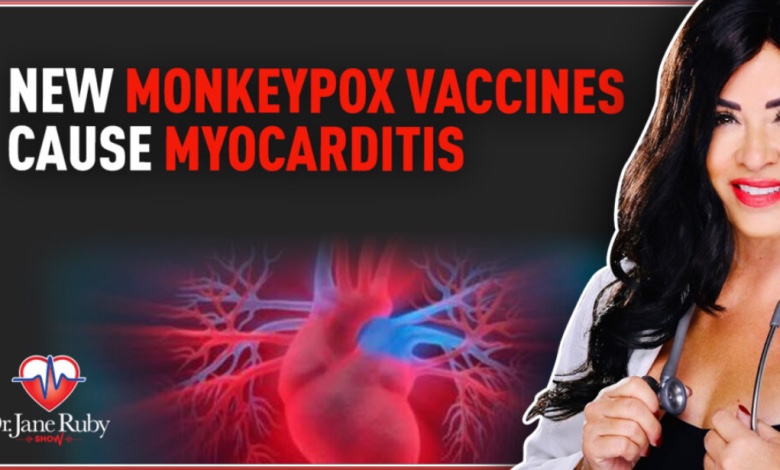
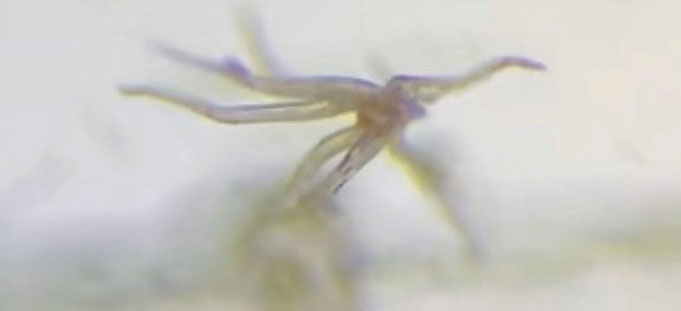
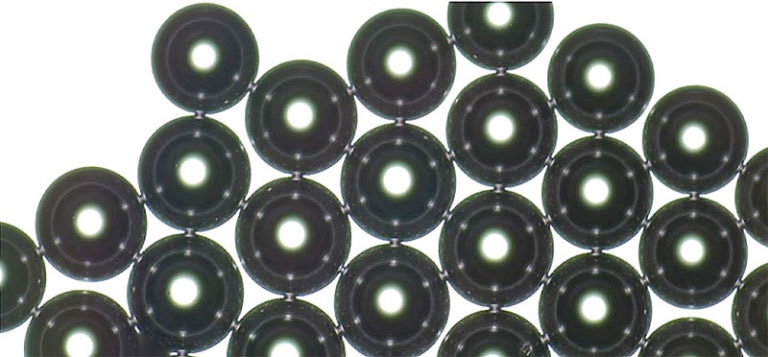

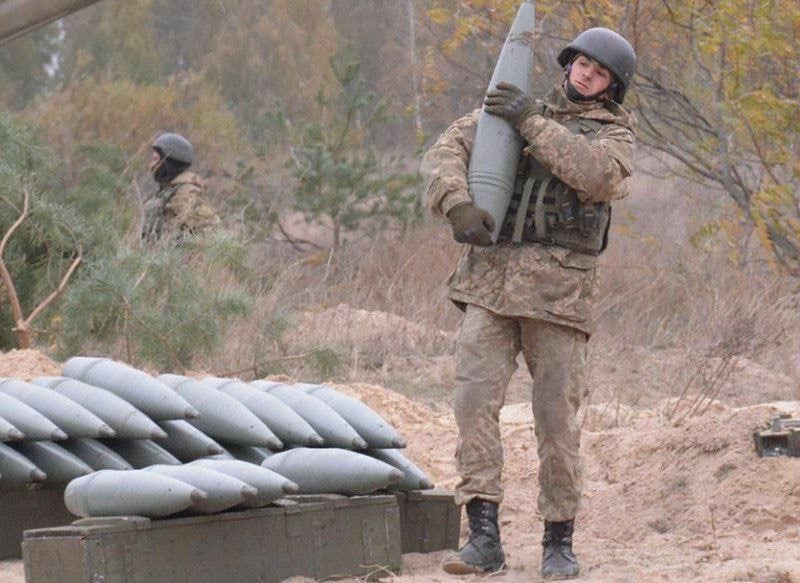
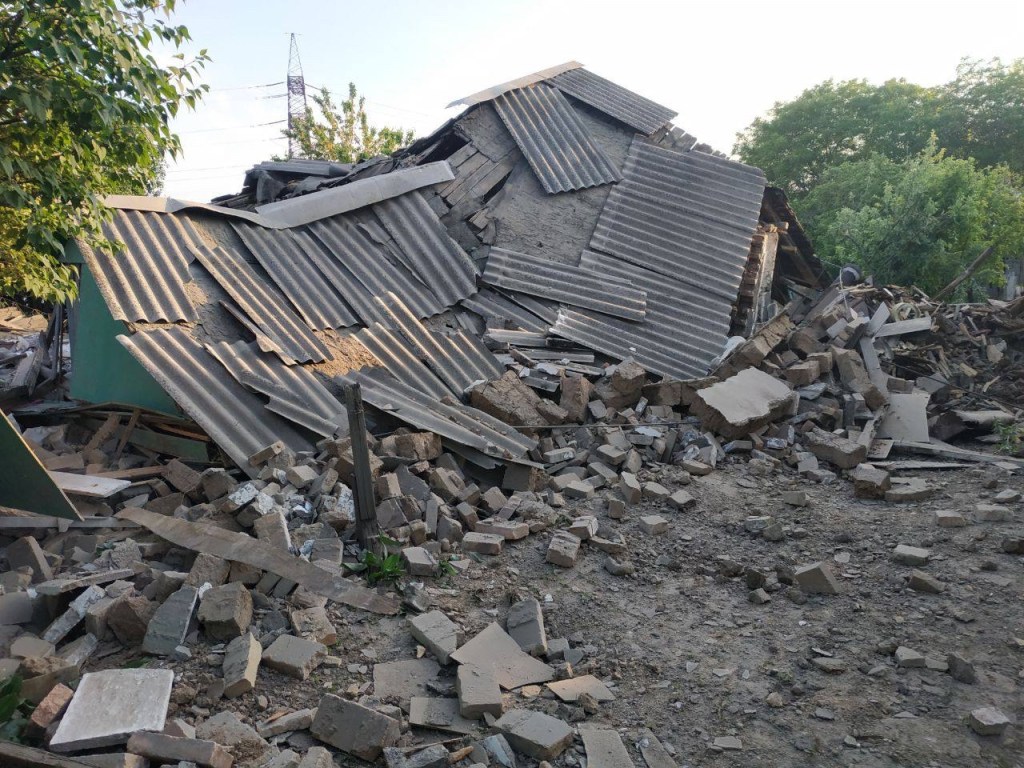
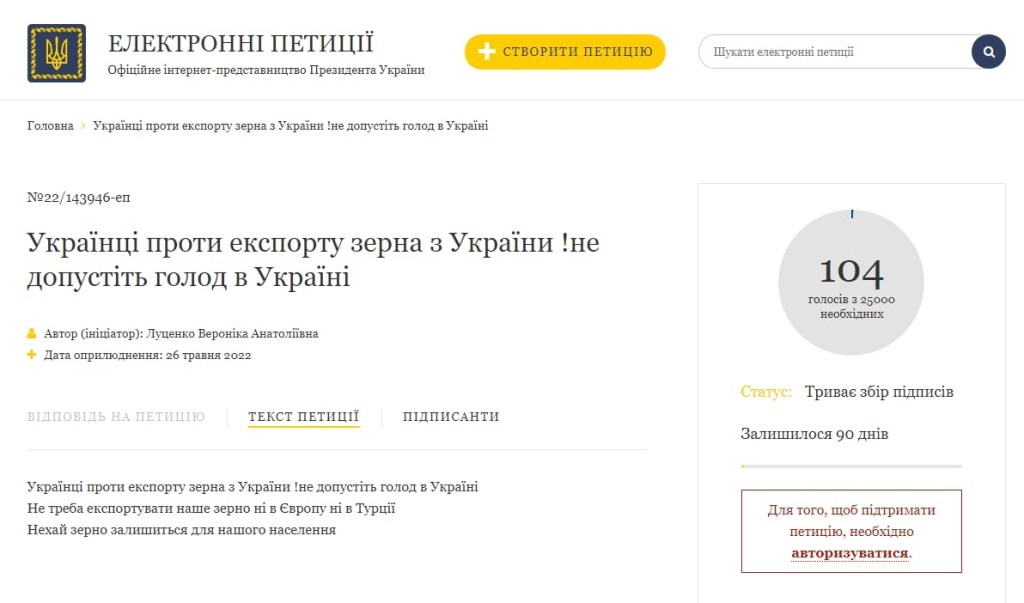
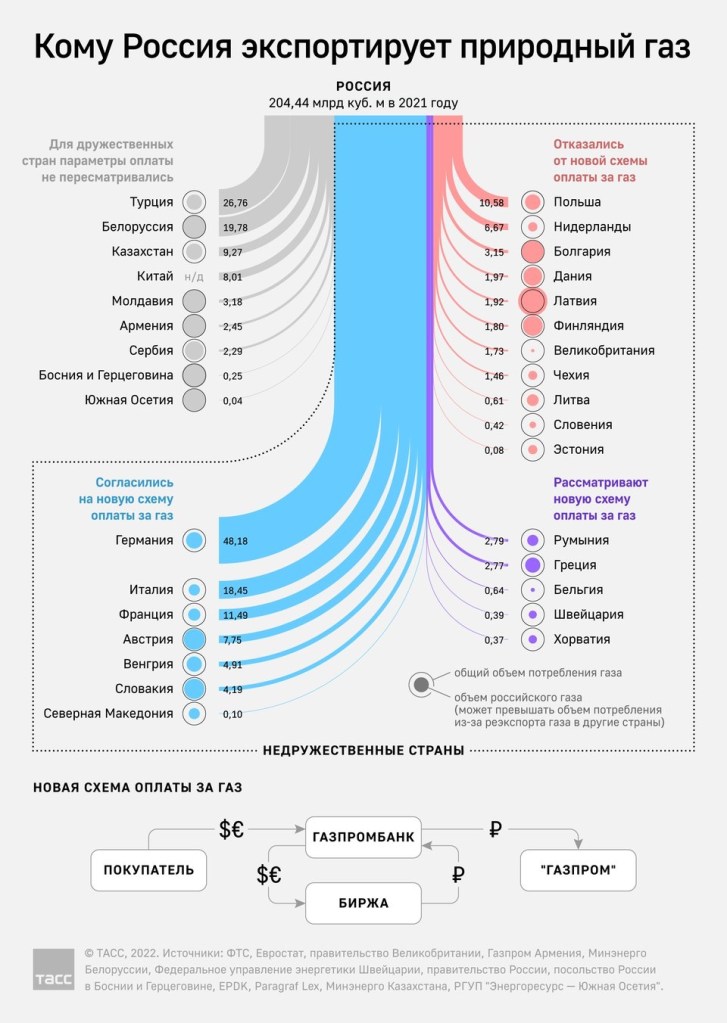
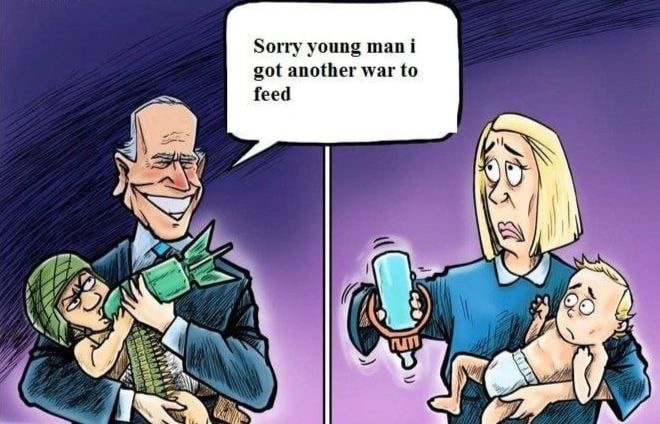




 The Truth Hurts News Share blog